
We Value Your Culinary Privacy
EatMee Recipes uses cookies to provide a personalized browsing experience, analyze recipe popularity, and serve relevant ads. You can review our full disclosure in our Privacy Policy.
Make authentic South African Gulab Jamun with this foolproof recipe. Packed with rich traditional flavor, step-by-step photos, and cooking tips by Denisiya on EatMee Recipes.


Join over 60,000+ home chefs for weekly authentic Durban Indian cook-alongs, Instant Pot masterclasses, and family heritage recipes.
Gulab Jamun is a beloved dessert across South Asia, but in South Africa, it takes on a unique twist that reflects the country’s rich cultural tapestry. This sweet treat has made its way into the hearts (& stomachs) of many, becoming a staple at celebrations, festivals, & family gatherings. Let’s dive into what makes South African Gulab Jamun so special & how you can make it at home!
Traditionally, Gulab Jamun is made from khoya (reduced milk), flour, and a hint of cardamom, shaped into small balls and deep-fried until golden brown. The balls are then soaked in a sugar syrup flavored with rose water, which gives the dessert its name: “gulab” means rose, and “jamun” refers to a type of berry.
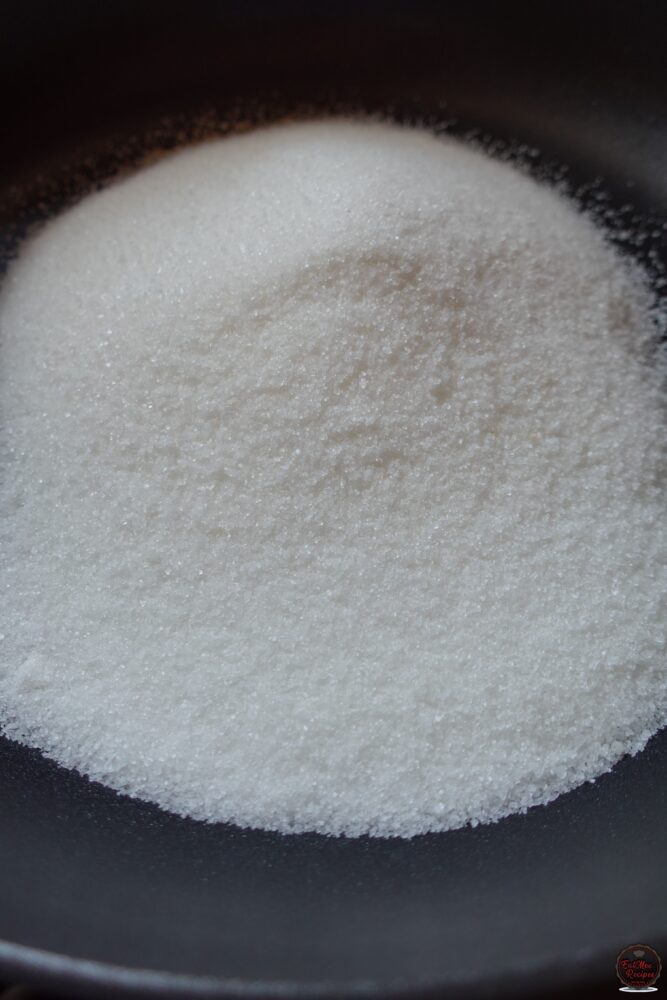
Firstly begin by preparing the syrup. To a pot/pan add in the white granulated sugar.
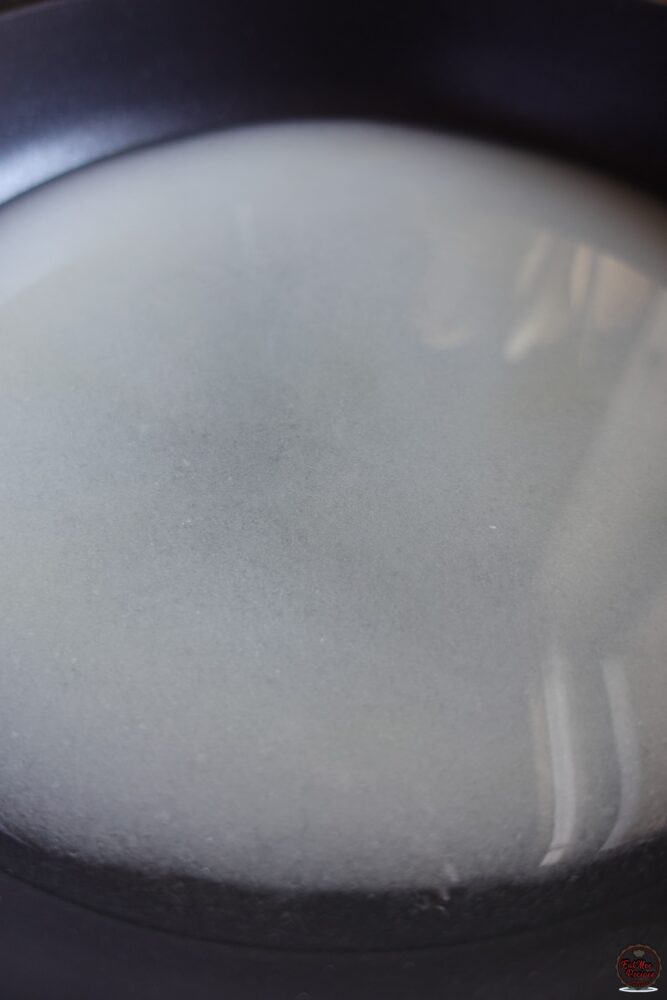
Pour in the water.
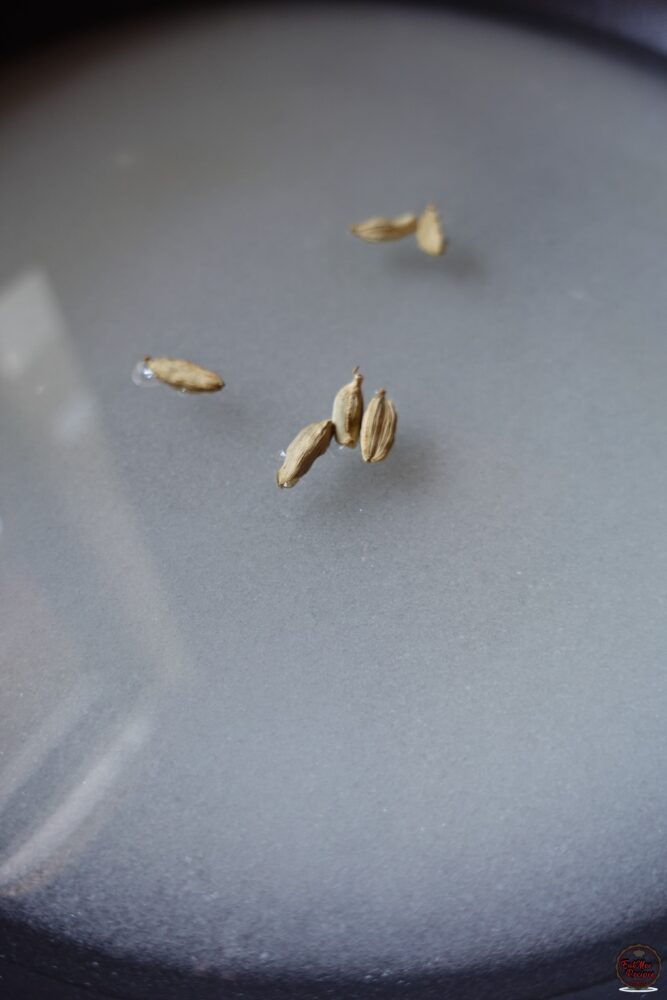
Add in the cardamom (elachi) pods & rose water.
Place on a stove-top on medium high heat & stir until the sugar has dissolved.
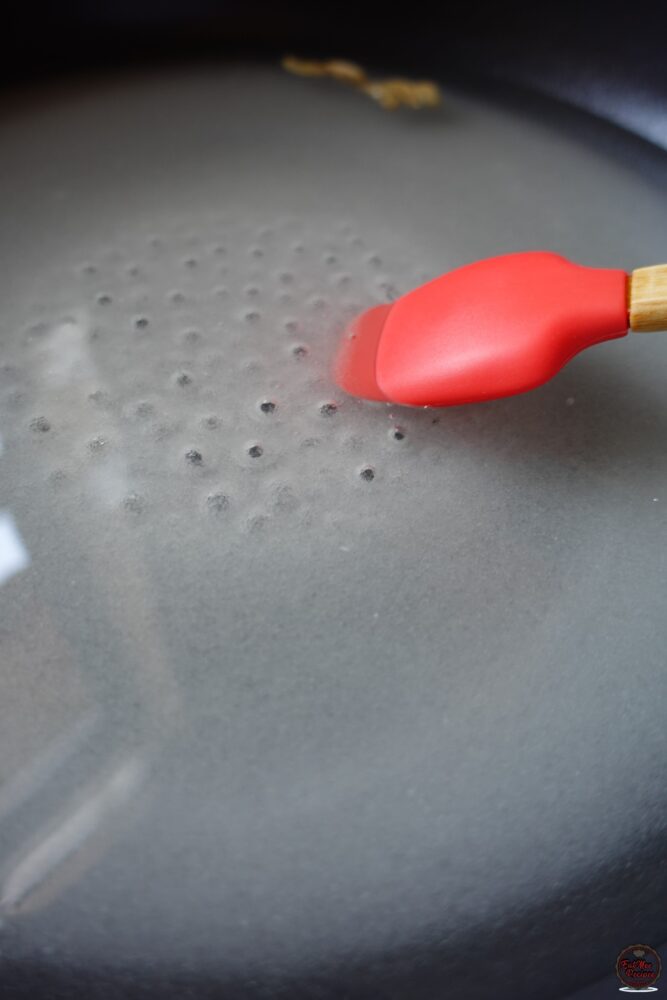
Once the sugar has dissolved, bring the mixture to a boil.
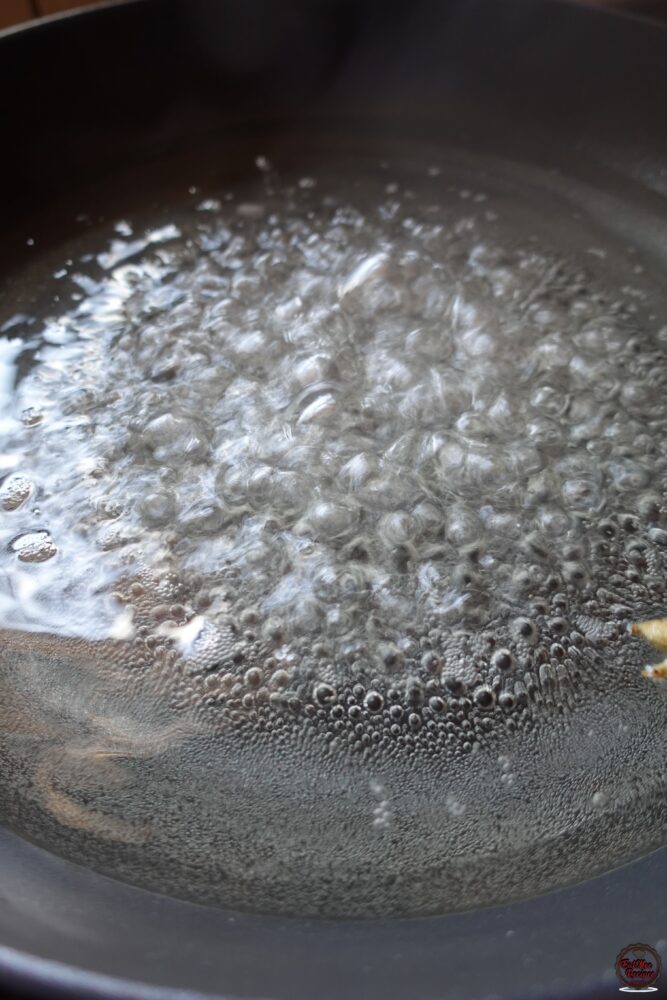
Once it reaches a boil, turn down the heat to low & allow the syrup to simmer until slightly thickened.
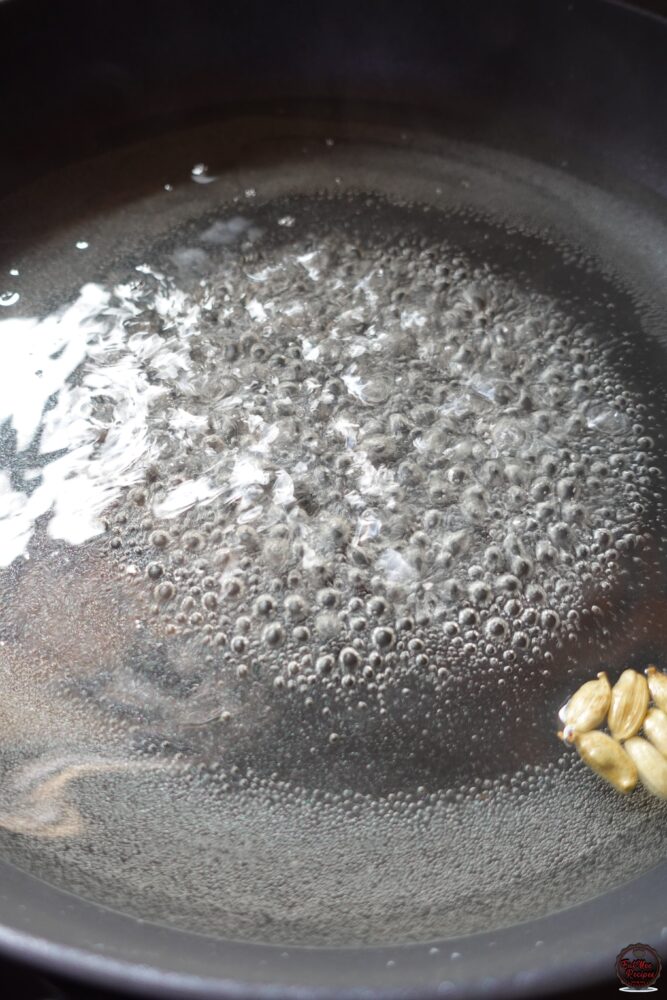
Whilst the syrup is simmering, being preparing the dough.
Add all-purpose or cake flour, baking powder, cardamom (elachi) powder, nutmeg powder & granulated sugar to a mixing bowl.
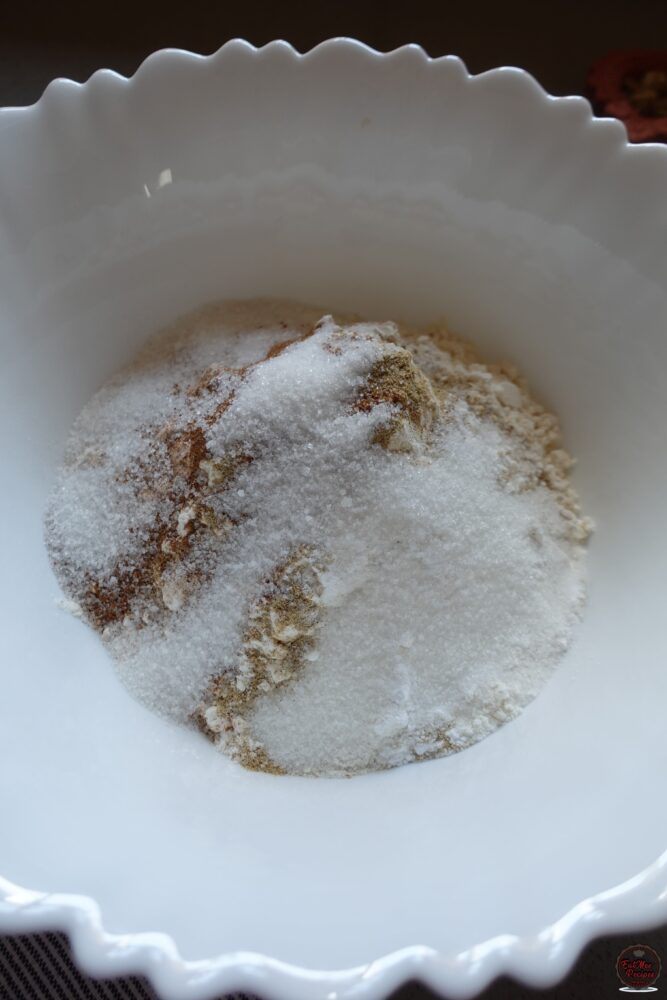
Mix the dry ingredients together.
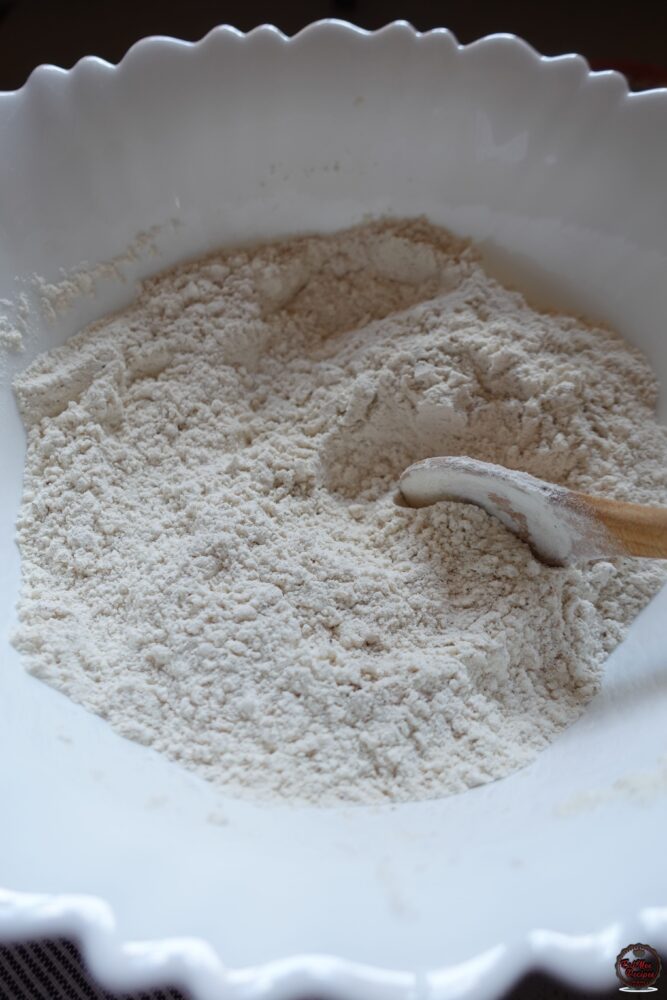
Add in the butter.
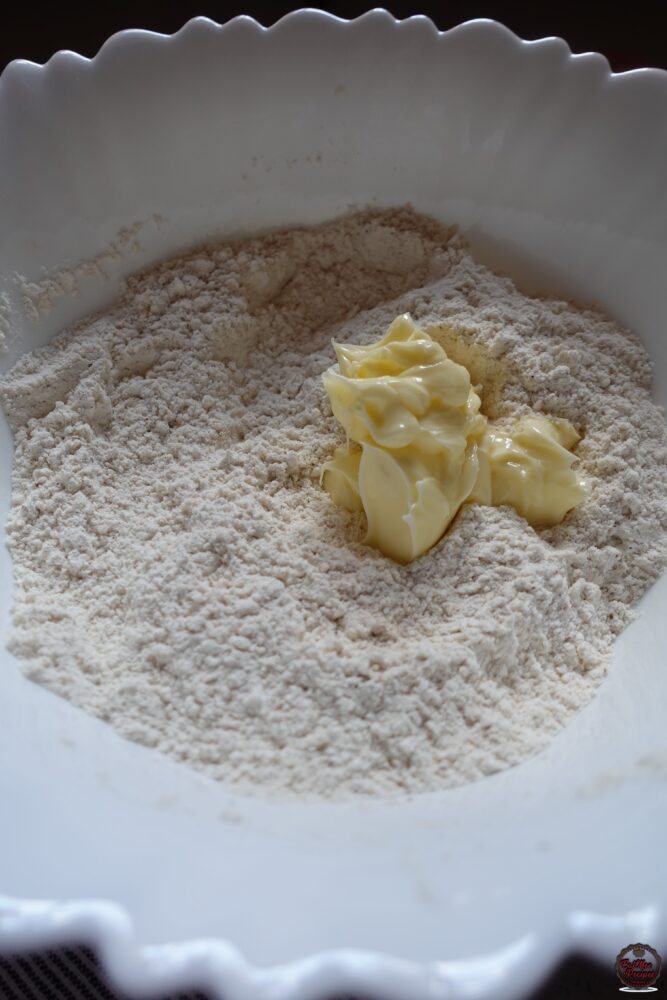
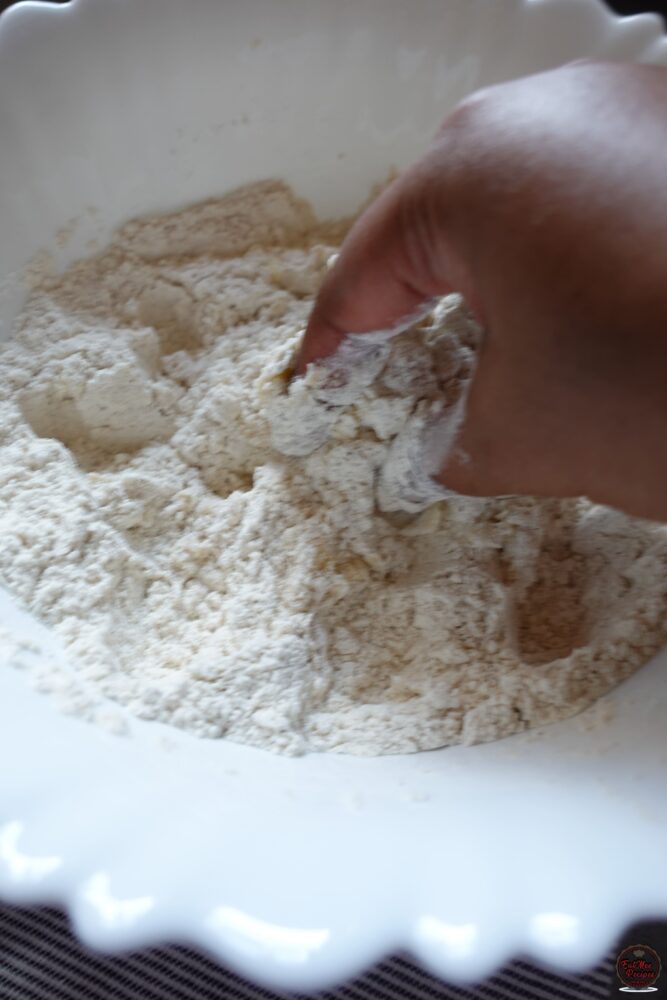
Using your fingertips, rub the butter into the flour until it resembles a breadcrumb texture.
Pour in the condensed milk.
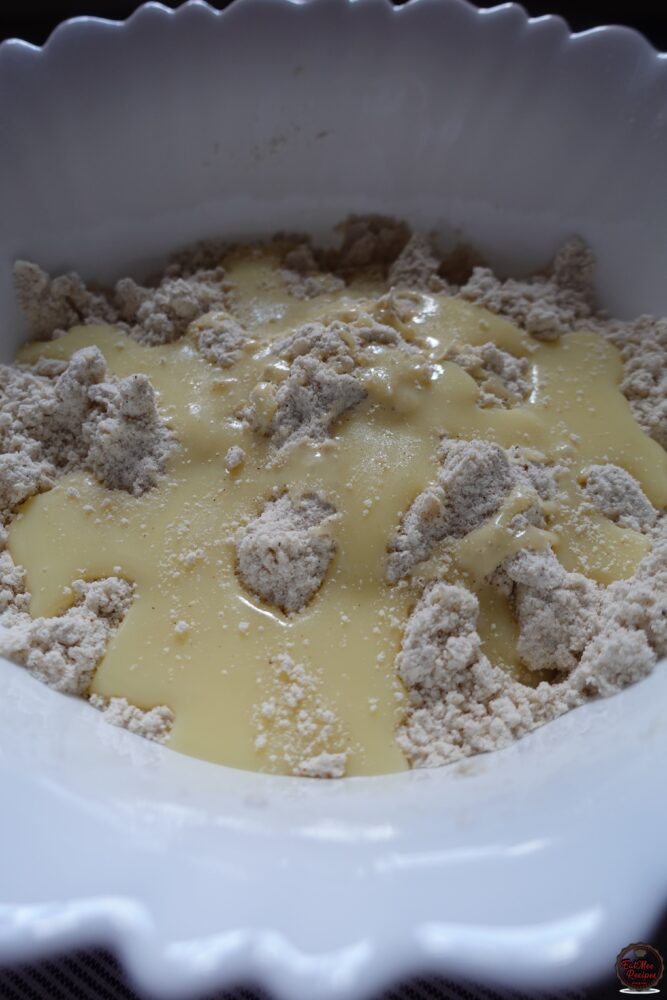
Roughly mix with a spoon.
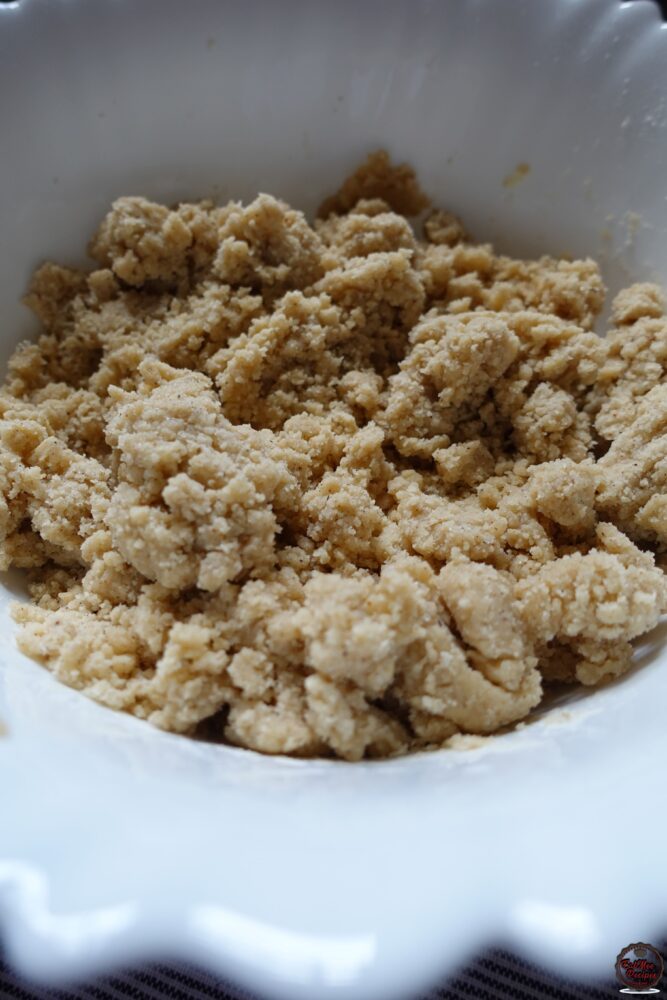
Use your hands to bring the dough together.
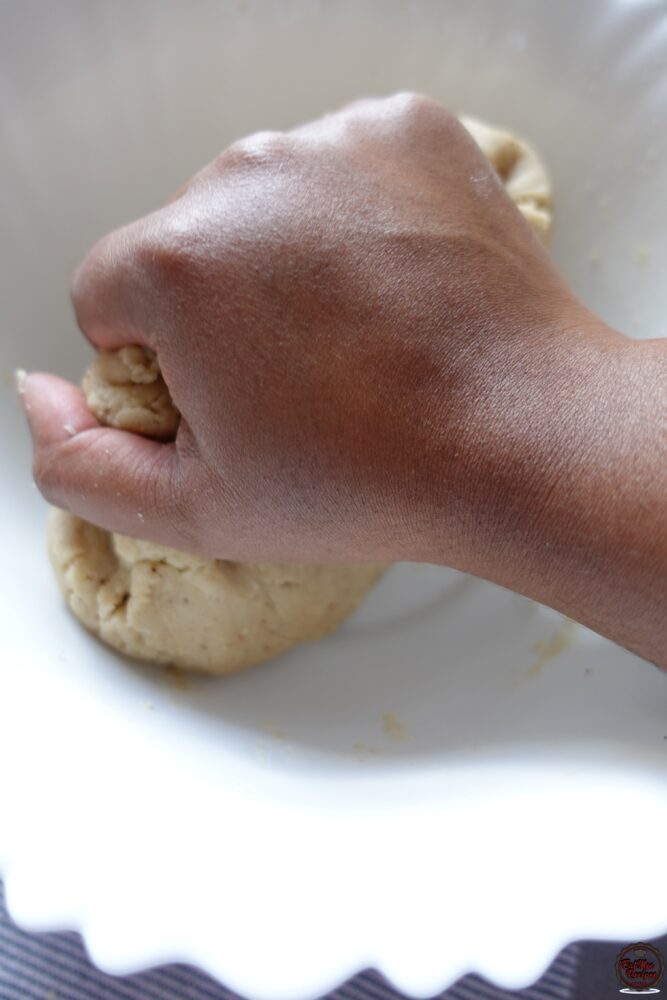
You should have a soft but firm dough.
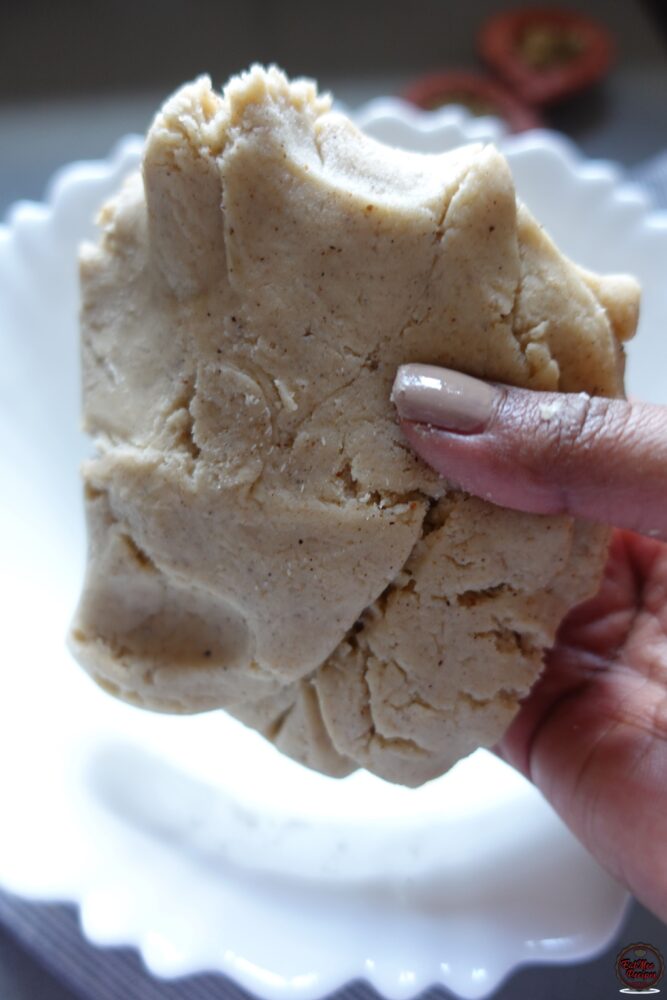
Pinch off small pieces of dough at a time.
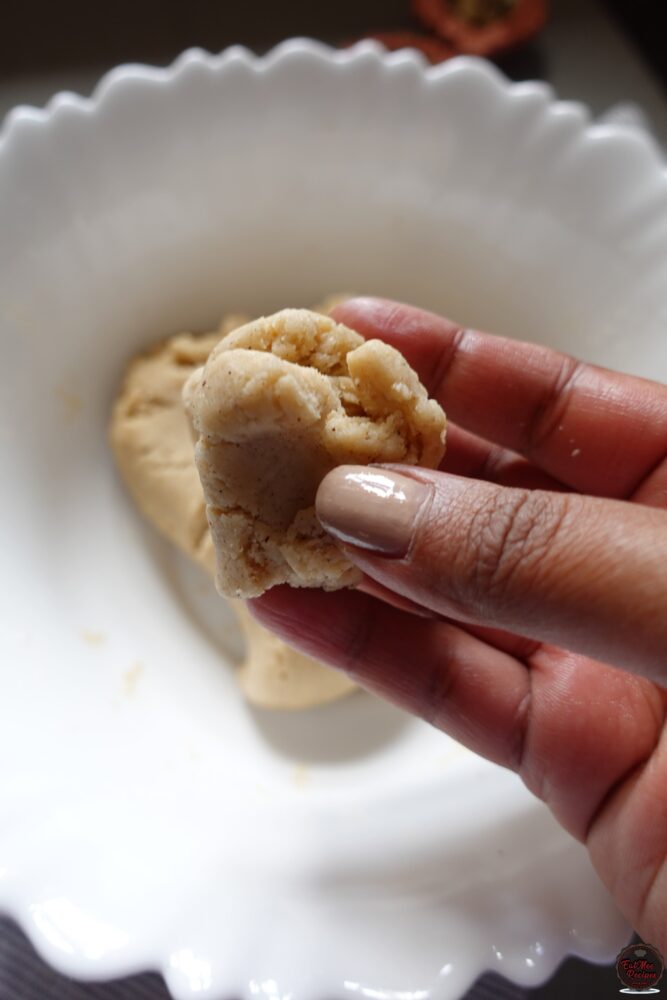
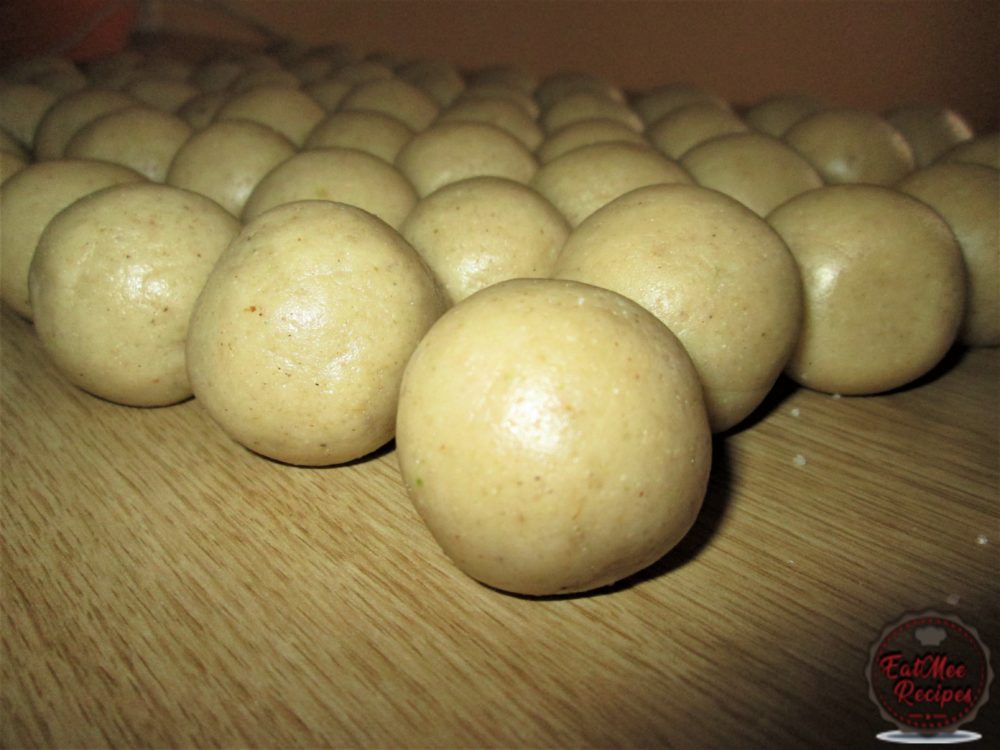
Clench the dough in you palm & the roll into a log using both hands – continue this process until all the dough is formed into logs.
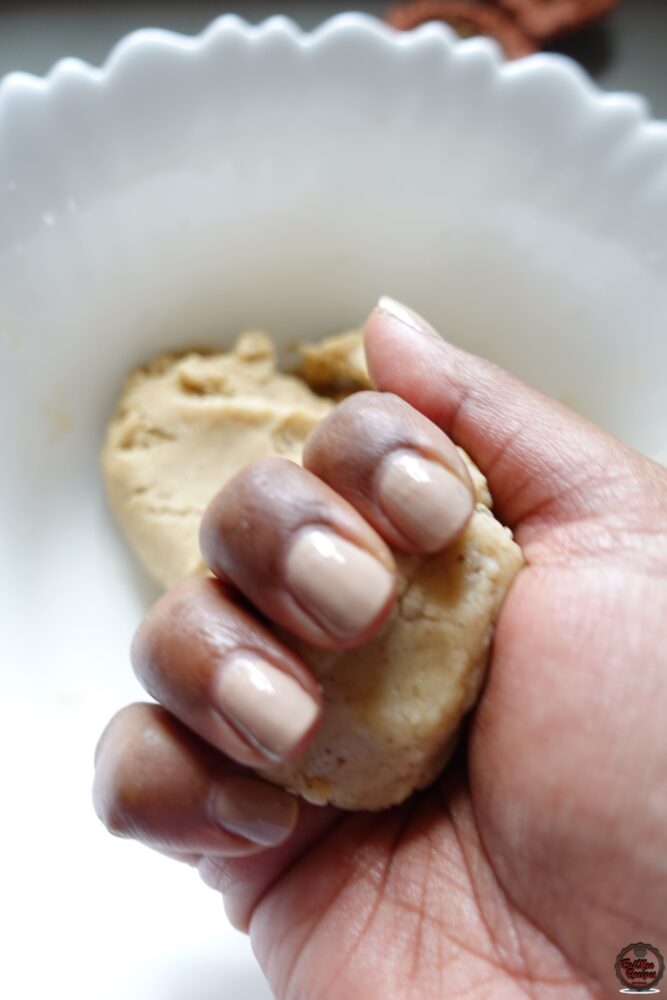
They can also be rolled into balls if preferred, as they would in India.
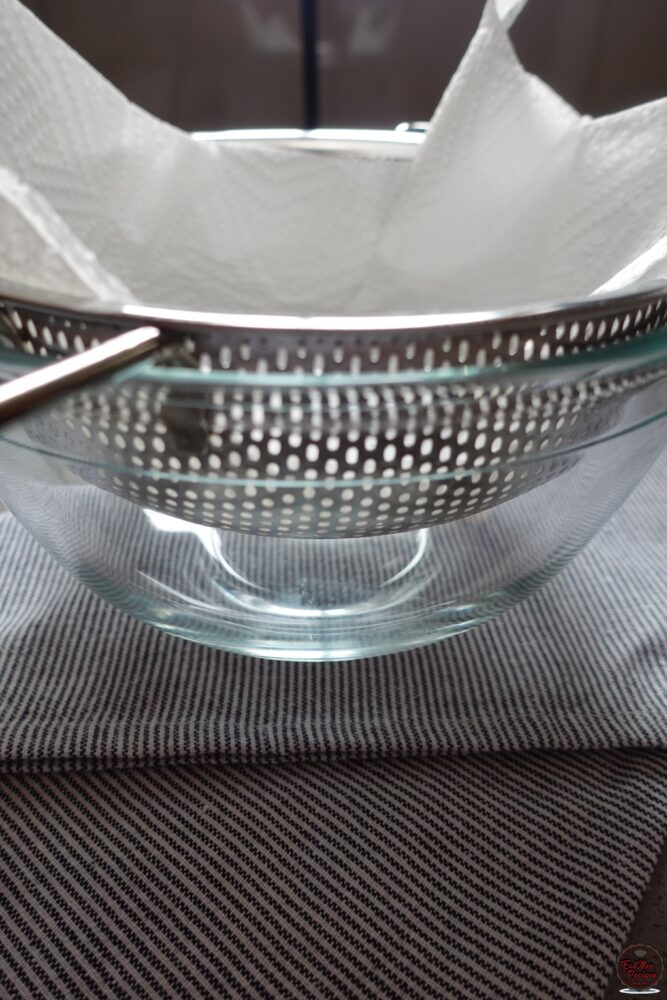
Line a strainer with paper towels & place it over a bowl. This will be used for draining off excess oil.
Pour the vegetable oil for deep frying in a pot on medium-high heat.
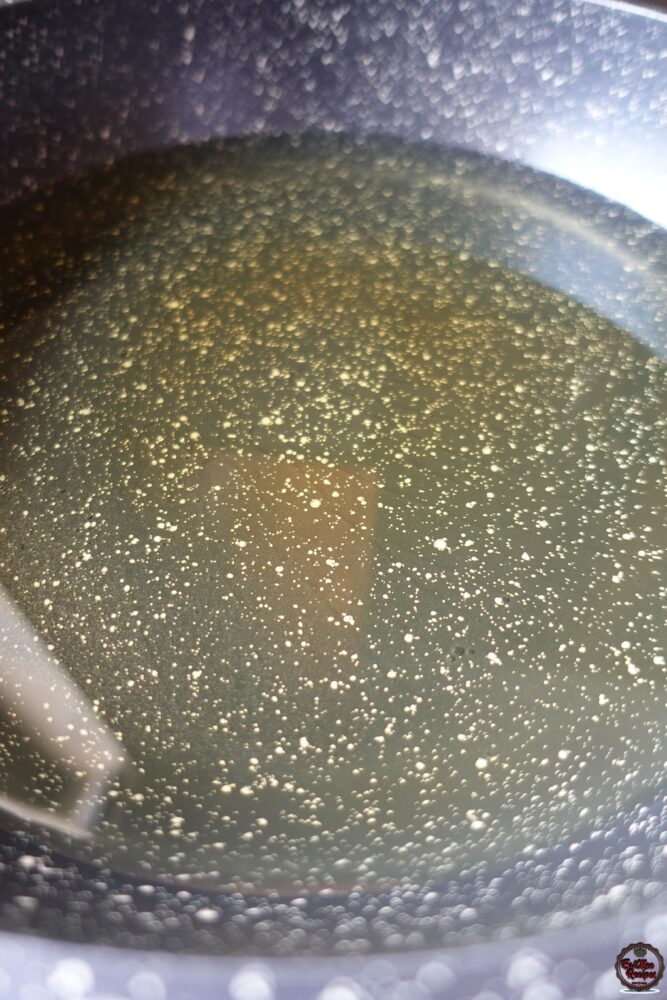
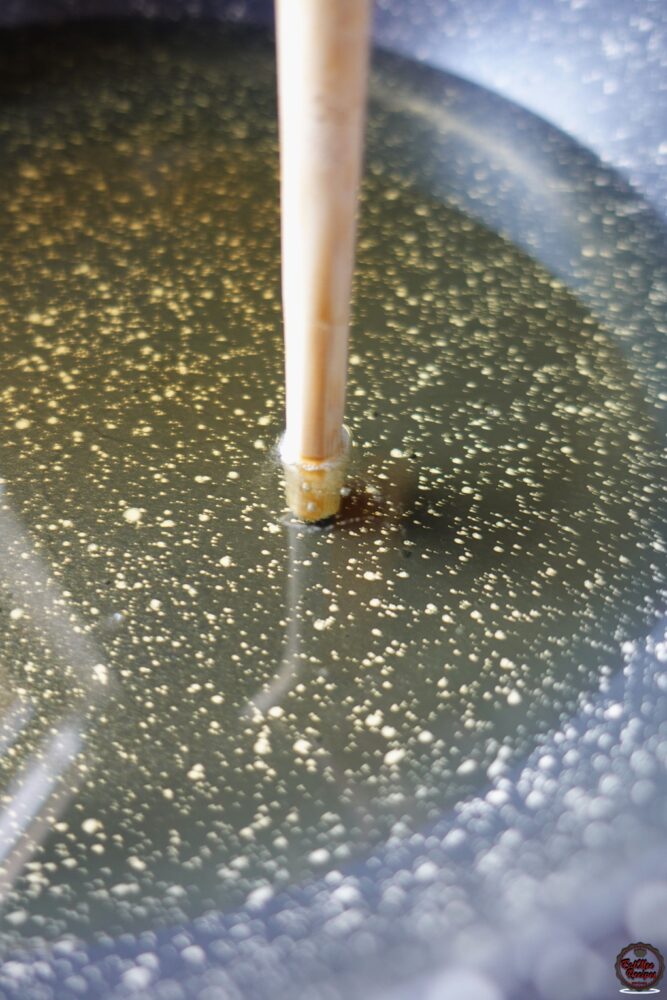
You know the oil is ready when you place the end of a wooden spoon at the surface of the pot & there are tiny bubbles forming around it.
Carefully place the logs into the hot oil. Do not over full the pot as it will lower the temperature of the oil & the Gulab Jamuns will not cook properly. Also note that they will expand a bit.
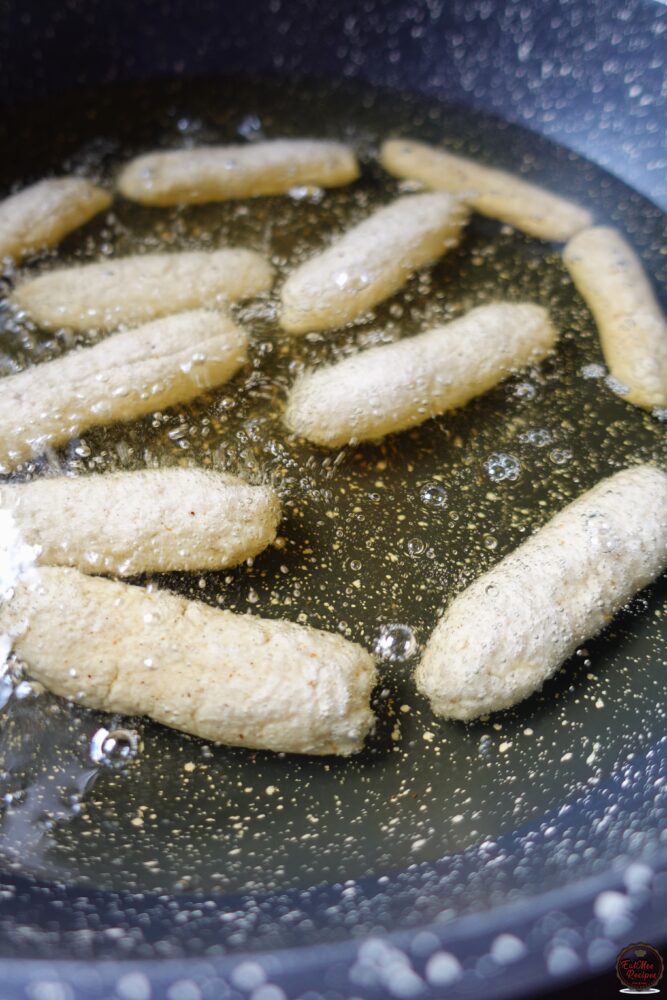
Allow them to fry for 30 seconds & then lower the heat to medium & carefully turn them to prevent them from over browning.
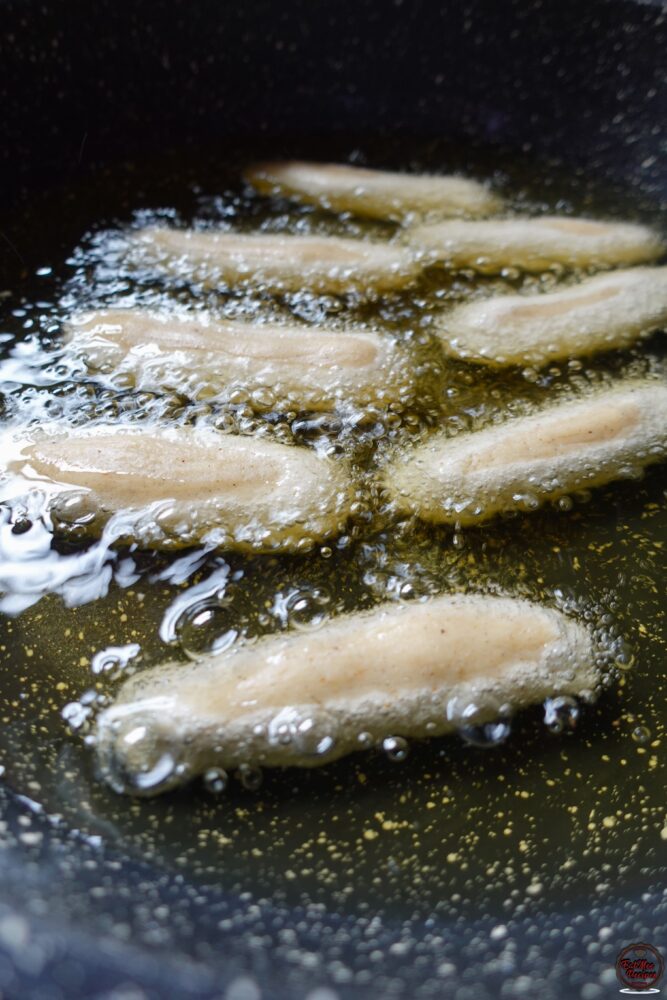
Keep rotating them & fry until they are golden.
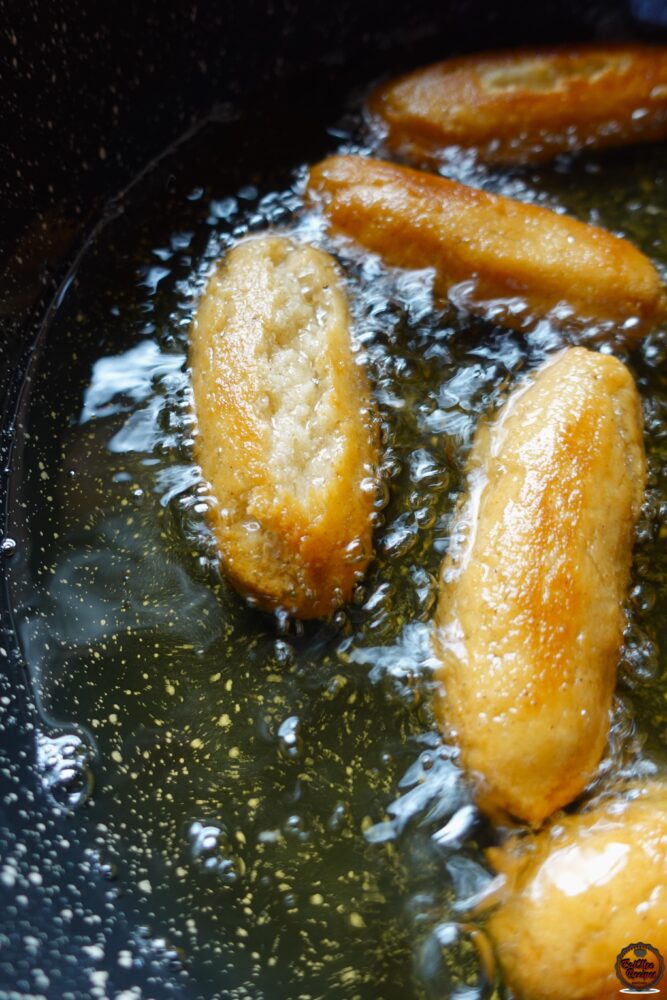
They are ready when you see them crack on one side.
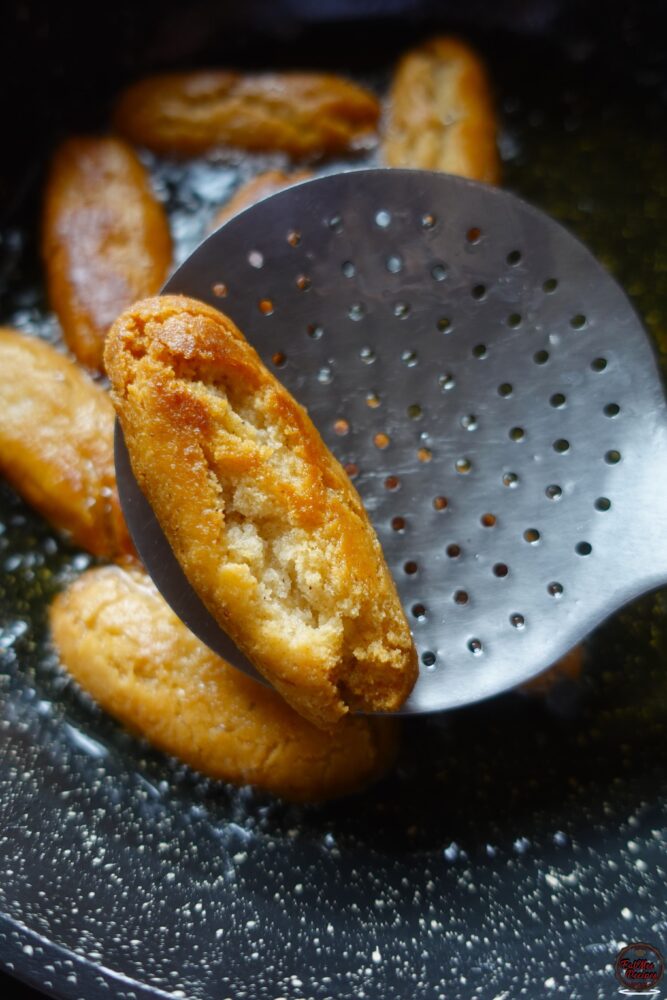
Remove them from the oil & drain on the paper towels for a minute.
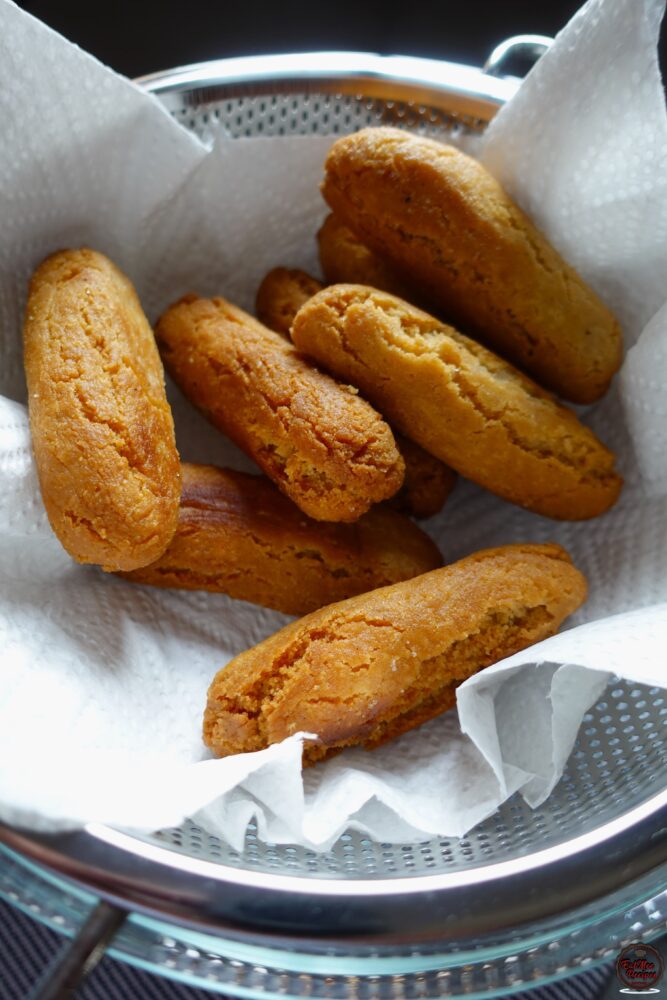
Turn off the heat for the syrup & place the fried Gulab Jamuns into the syrup whilst warm.
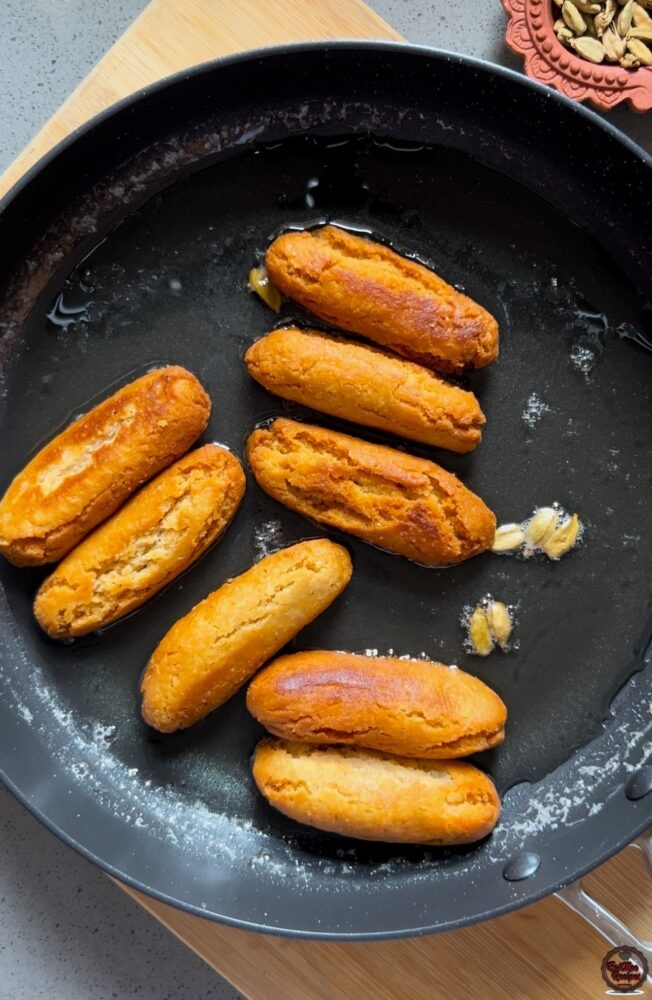
Allow them to soak for 2 minutes & then flip them over.
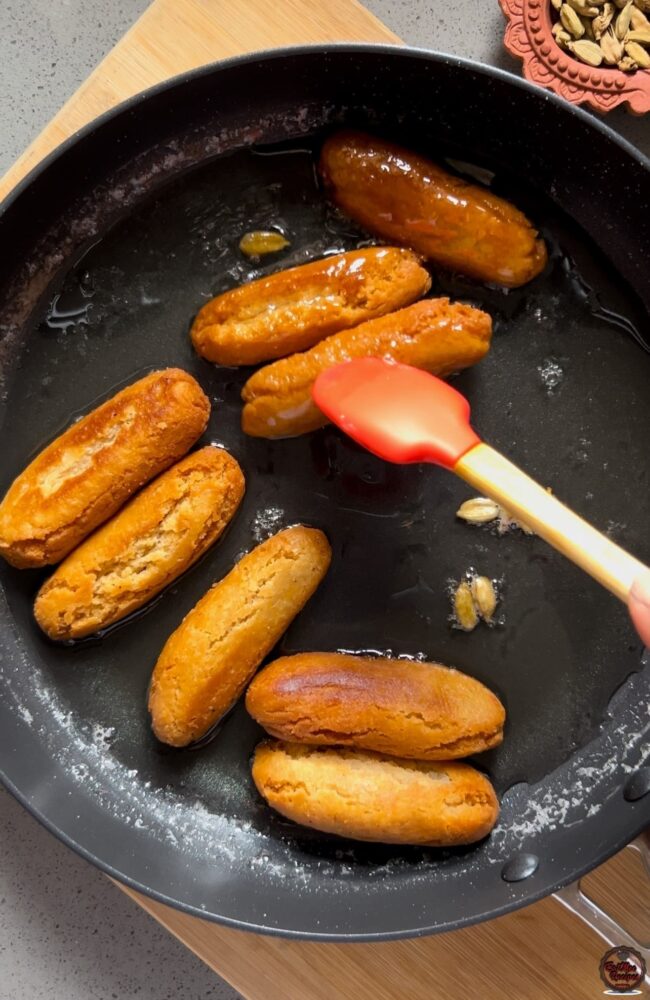
Once they are done soaking, roll them into desiccated coconut. This step may be omitted if you’re not a coconut lover.
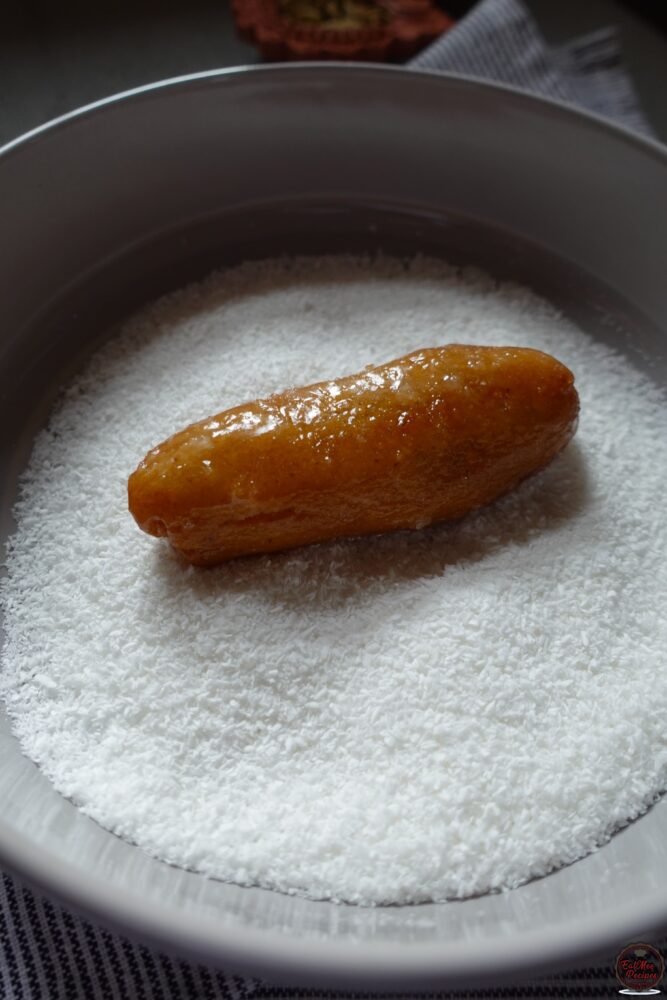
This is what they would look like if they were rolled into balls.
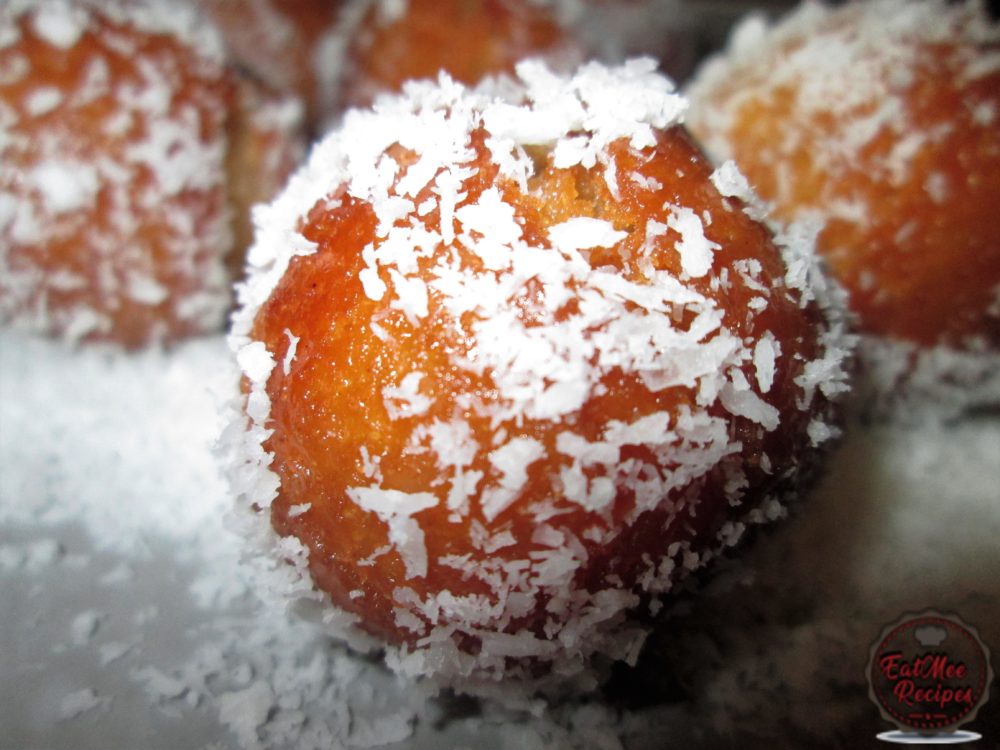
These South African Gulab Jamun’s are ready to be plated & served.

Can be stored in an airtight container for up to a week – although they are best eaten fresh.
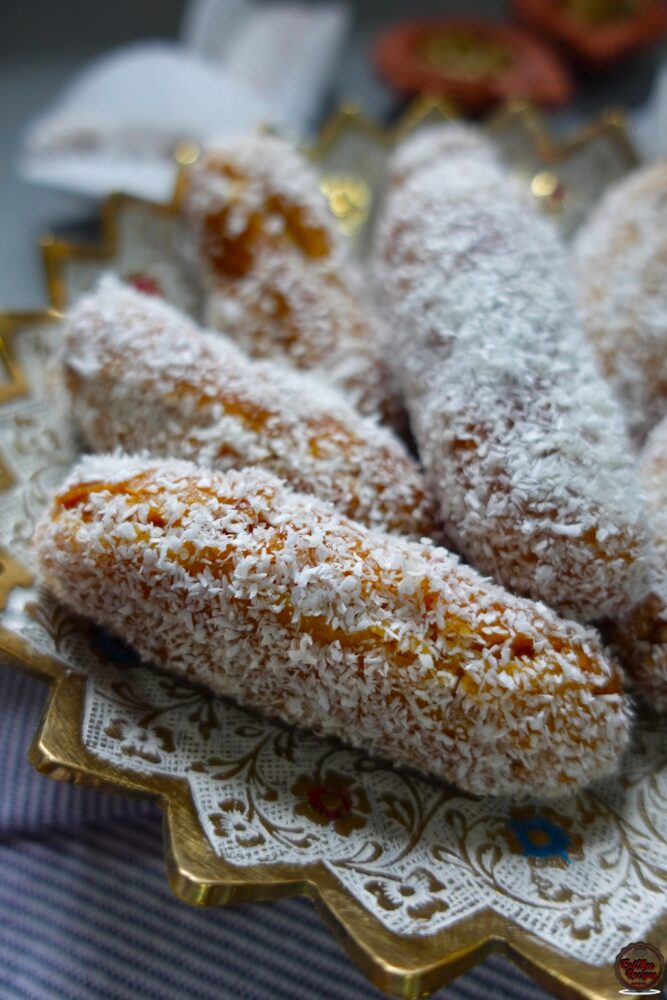
These South African Gulab Jamun’s are mostly prepared for auspicious days such as Varalakshmi Vratham, Sri Ganesh Chaturti, Purattasi , Pithar Paksh, Navaratri & many others.

Follow along with Denisiya's step-by-step video guide for South African Gulab Jamun.
Expert kitchen guidance and troubleshooting for making the best South African Gulab Jamun
Traditionally, Gulab Jamun is made from khoya (reduced milk), flour, and a hint of cardamom, shaped into small balls and deep-fried until golden brown. The balls are then soaked in a sugar syrup flavored with rose water, which gives the dessert its name: “gulab” means rose, and “jamun” refers to a type of berry.
Store in an airtight container at room temperature for up to 1 to 2 weeks. For milk-based sweetmeats like burfee or soji, refrigerate in an airtight container for up to 7 to 10 days.
Pure butter or ghee provides the authentic rich aroma and texture characteristic of traditional Indian sweetmeats and bakes. Margarine can be used in a pinch, but butter delivers superior flavor.
Hi, I'm Denisiya! Food lover, recipe developer, and founder of EatMee Recipes. I specialize in authentic South African Durban Indian cuisine, comforting curries, and modern Instant Pot adaptations. Every recipe on this site is tested in my personal kitchen to ensure you get mouth-watering, foolproof results every time.
Explore more authentic Durban curries, traditional bakes, and comforting family favourites.
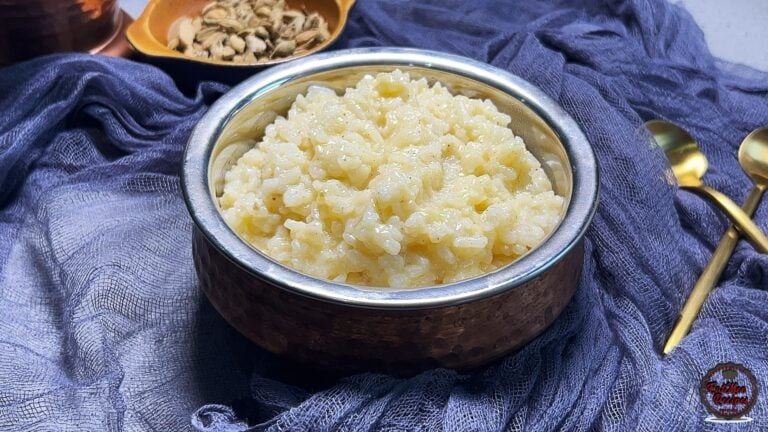 Desserts
If you love traditional South African sweet rice but want an easier, hands-off method, thi...
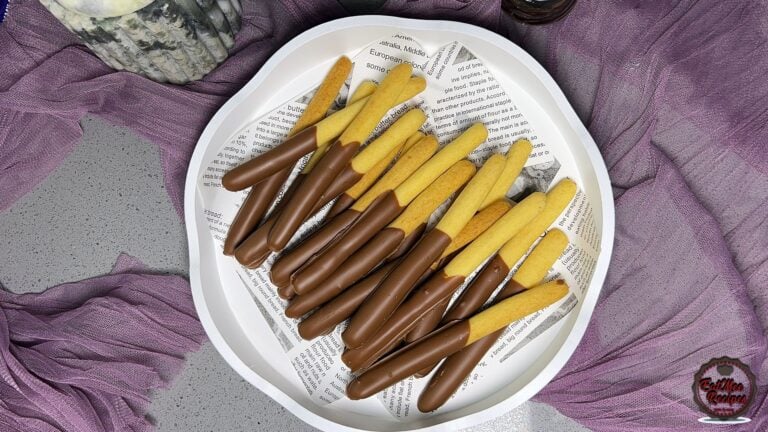 Desserts
Light, crisp, and delicately sweet biscuit sticks dipped in chocolate
 Desserts
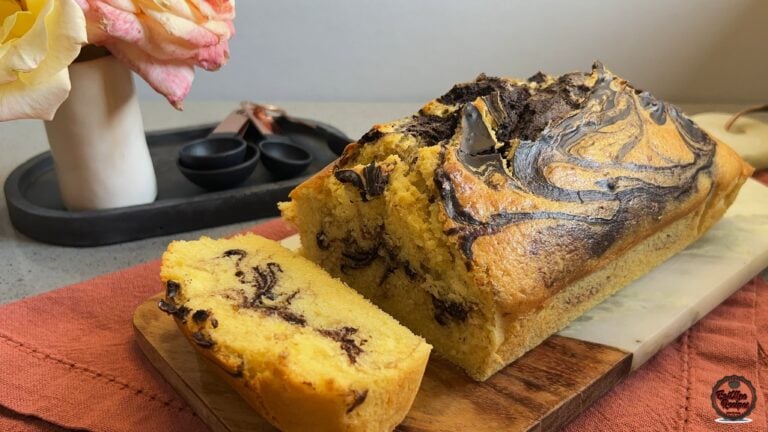
There’s something comforting about a marble loaf cake fresh from the oven, especially when...
Have you tried this recipe or have questions for Denisiya? Join the conversation below.
No comments yet. Be the first to share your thoughts on this recipe!
Leave a Comment
Your email address will not be published. Required fields are marked *