
We Value Your Culinary Privacy
EatMee Recipes uses cookies to provide a personalized browsing experience, analyze recipe popularity, and serve relevant ads. You can review our full disclosure in our Privacy Policy.
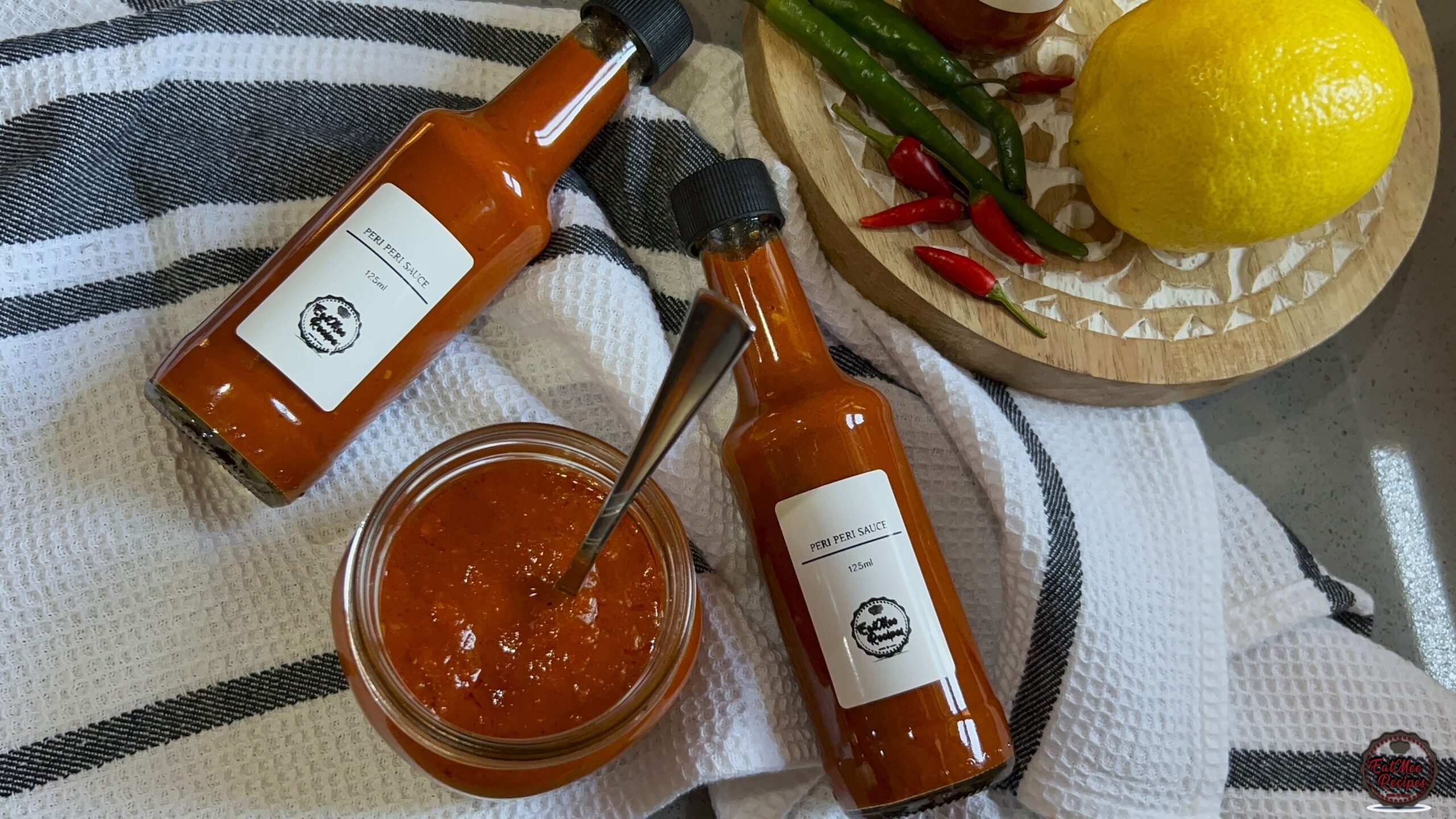
Make authentic Peri Peri Sauce with this foolproof recipe. Packed with rich traditional flavor, step-by-step photos, and cooking tips by Denisiya on EatMee Recipes.

Join over 60,000+ home chefs for weekly authentic Durban Indian cook-alongs, Instant Pot masterclasses, and family heritage recipes.
Turn Up the Heat: The Bold, Zesty Magic of Peri Peri Sauce
If you’re looking to add serious flavor to your kitchen game, it’s time to meet your new favorite condiment: Peri Peri Sauce. This fiery, tangy, and utterly addictive sauce hails from a blend of African and Portuguese culinary traditions, and it’s taking over menus and home kitchens for a reason. But what exactly is Peri Peri, and how can you use it? Let’s dive in.
Peri Peri (also spelled Piri Piri or Pili Pili) means “pepper pepper” in Swahili — and that tells you everything you need to know. The star ingredient is the African bird’s eye chili, a small but mighty pepper known for its intense heat. These chilis are blended with garlic, lemon juice, vinegar, oil, and spices like paprika, oregano, and sometimes smoked flavors.
Originating in southern Africa and popularized globally by Portuguese explorers (and later, restaurants like Nando’s), Peri Peri sauce is a fusion of fire, tang, and bold flavor. It’s a staple in Mozambique, Angola, South Africa, and now kitchens around the world.
This sauce is more than just heat — it’s a flavor bomb. Here are a few delicious ways to use it:
Marinade: Perfect for chicken, shrimp, or tofu. Let it soak overnight for deep flavor.
Grill Baste: Brush it on meats or veggies as they sizzle on the grill.
Dip: Mix with mayo or yogurt for a spicy dip or sandwich spread.
Stir-In: Swirl into pasta, rice bowls, or roasted veggies.
Pizza Drizzle: Give your slice a kick with a drizzle of Peri Peri.
Note: The sauce should be prepared at least one day in advance to allow the heat to mellow to a medium level and give the flavors time to develop and balance. When freshly made, it will taste quite vinegary and tangy.
Preheat the oven to 225° Celsius and line a baking tray with baking paper.
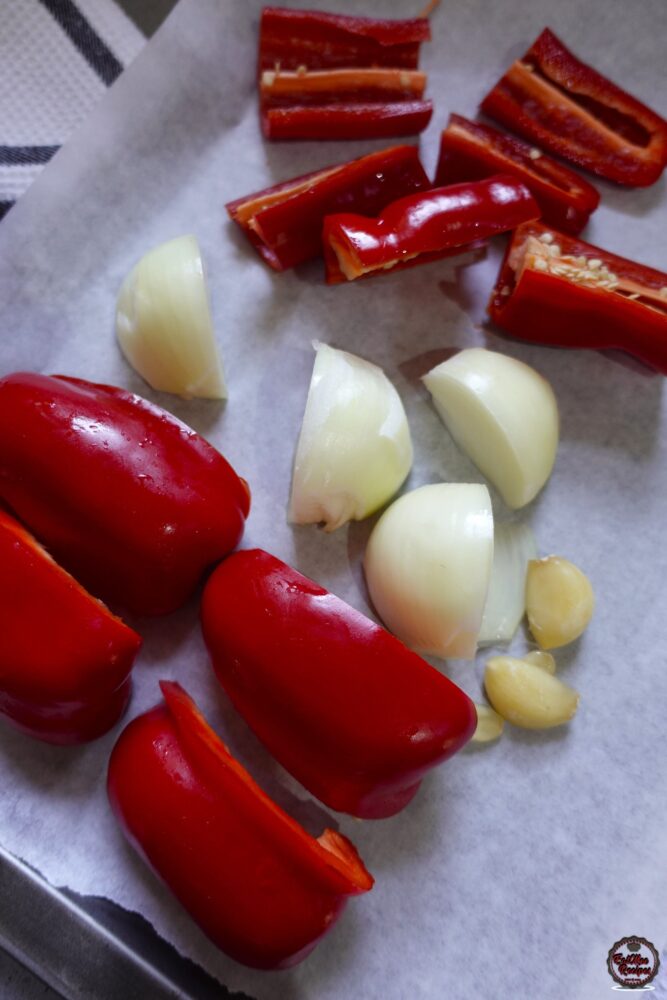
Slice the bell pepper in half, quarter the onions, slice the pimento pepper and add the peeled garlic cloves onto the lined baking tray.
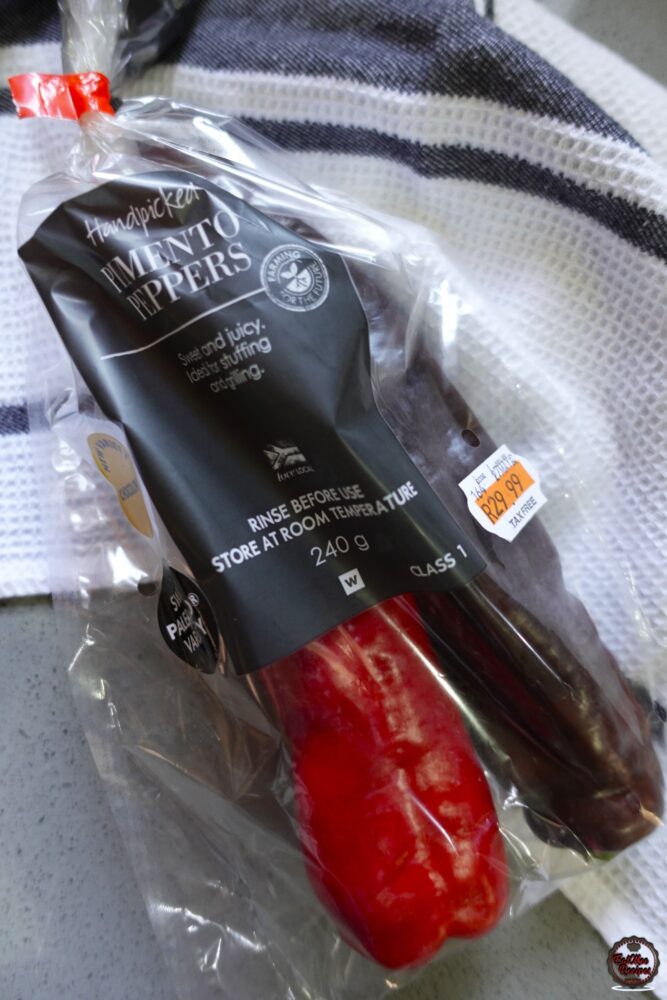
I found the pimento pepper at Woolworths – if you can’t find it, use an extra ½ of the normal red bell pepper.
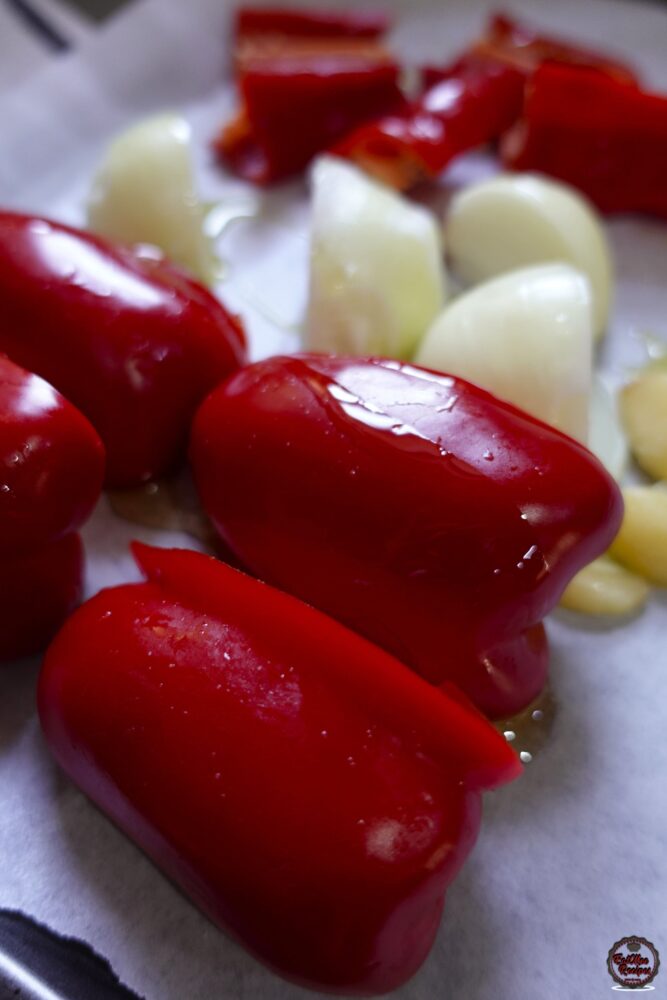
Add salt and olive oil over the vegetables.
Toss well and roast in the oven for 30 minutes or until they are nicely charred.
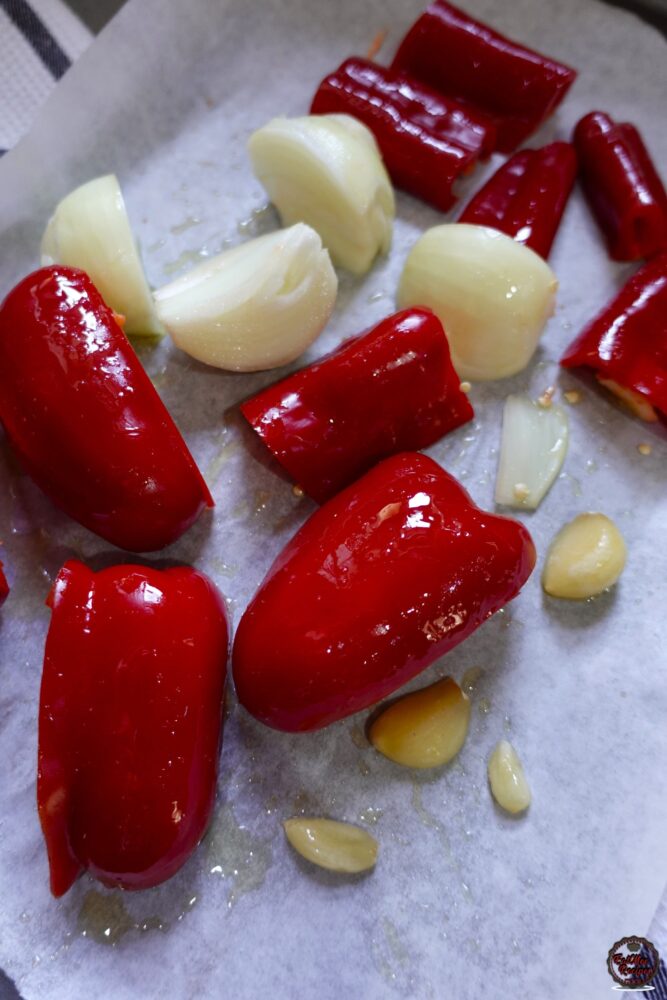
Allow the roasted vegetables to cool before adding it to the blender as it will make it impossible to open your blender if it’s still too hot.
Whilst waiting for the veggies to cool, zest a large lemon.
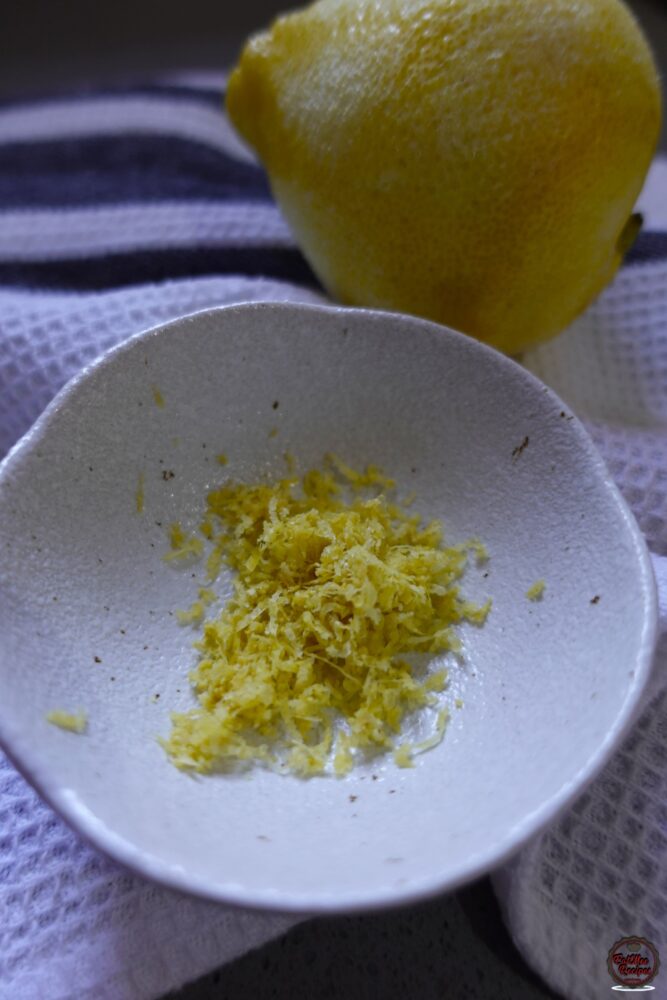
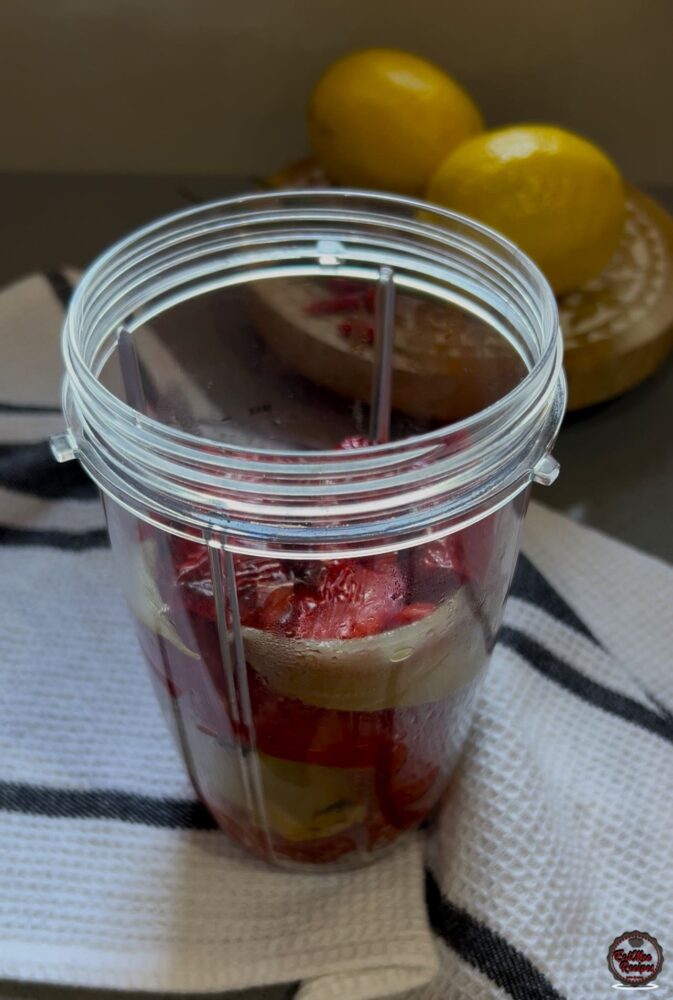
Once the veggies have cooled, add them to a blender.
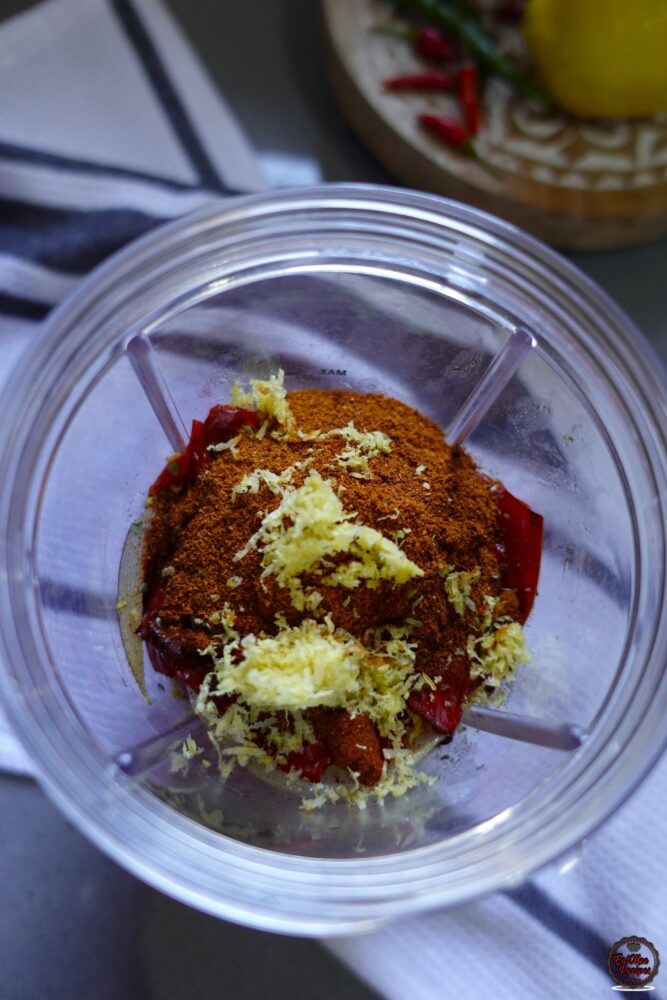
Add salt, fine black pepper, dried oregano, paprika, cayenne pepper and the lemon zest.
Next, I have used 4 green cayenne chillies and 20 bird’s eye chillies – this is going to give you a “medium” heat level so you may add more or less depending on your preference. Make sure to remove the stems.
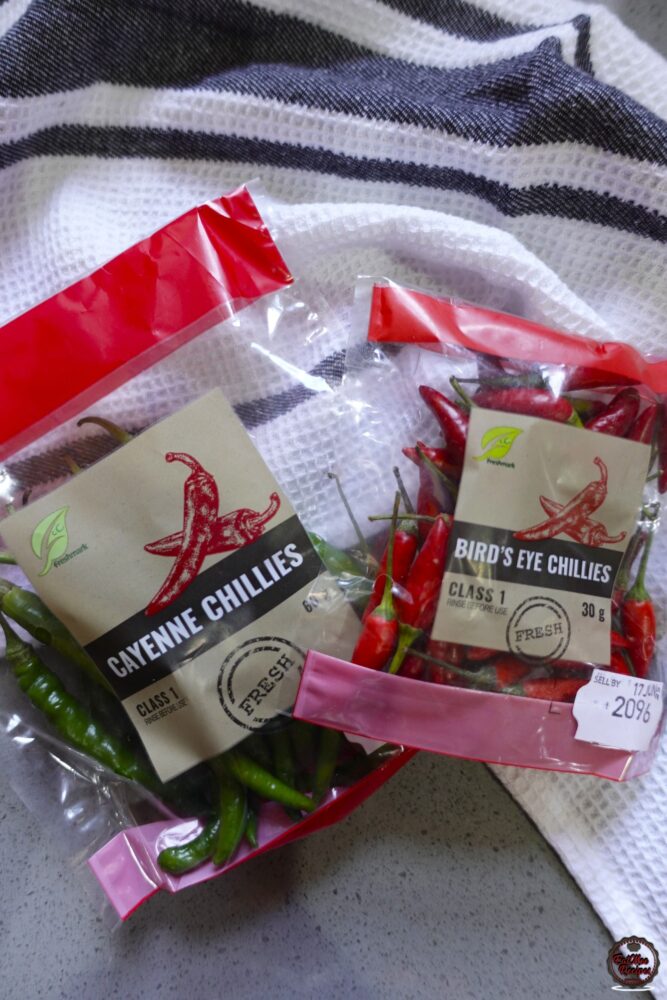
Add the chillies.
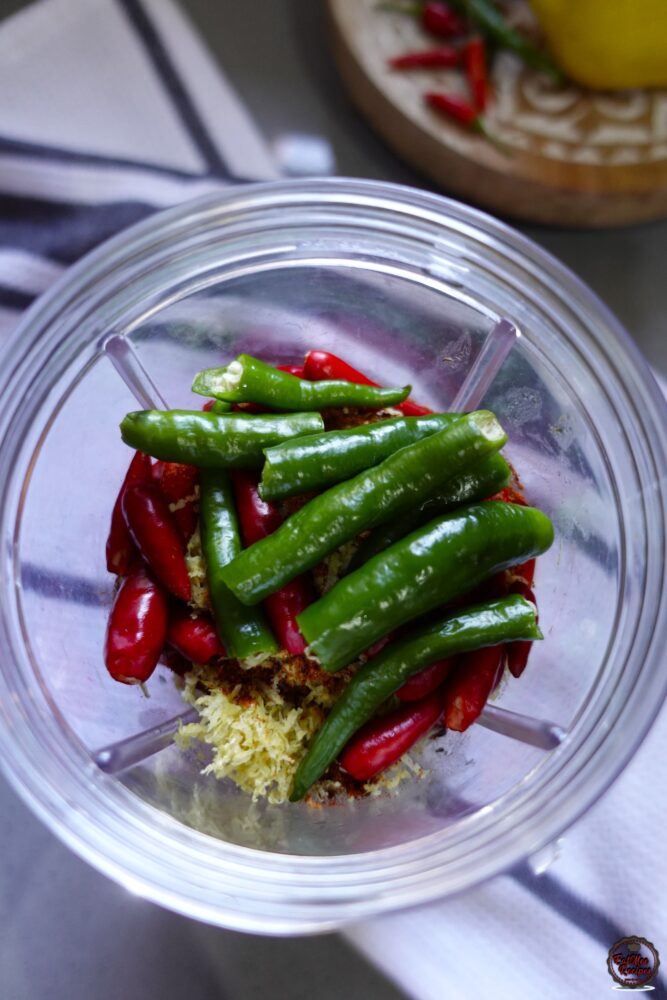
Pour in the lemon juice and white vinegar.
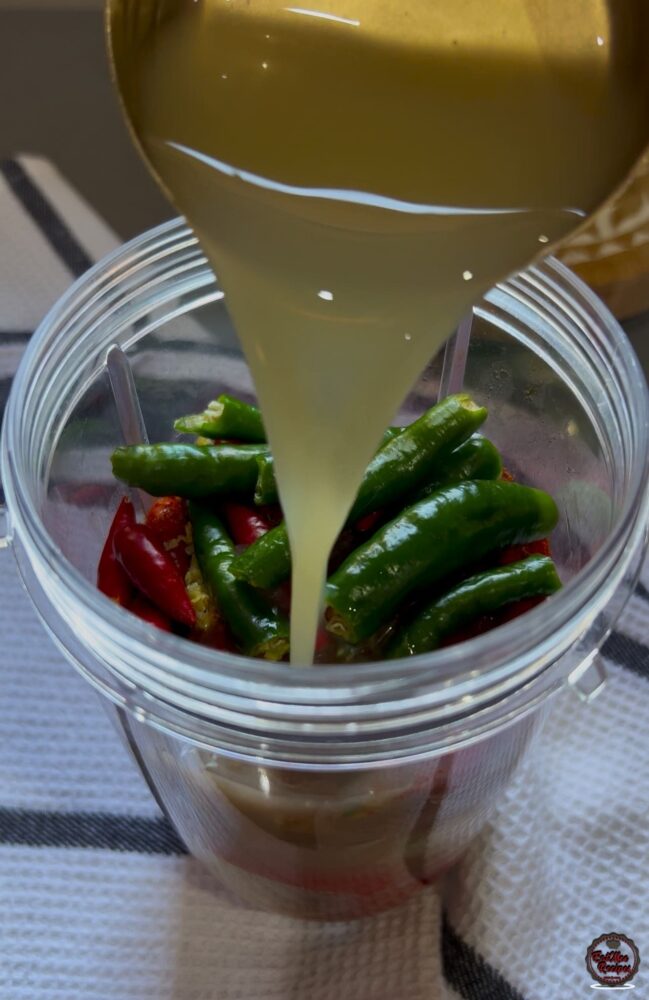
Most people tend to use sherry vinegar or apple cider vinegar, but I find regular white vinegar works fine.

Blend together until smooth.
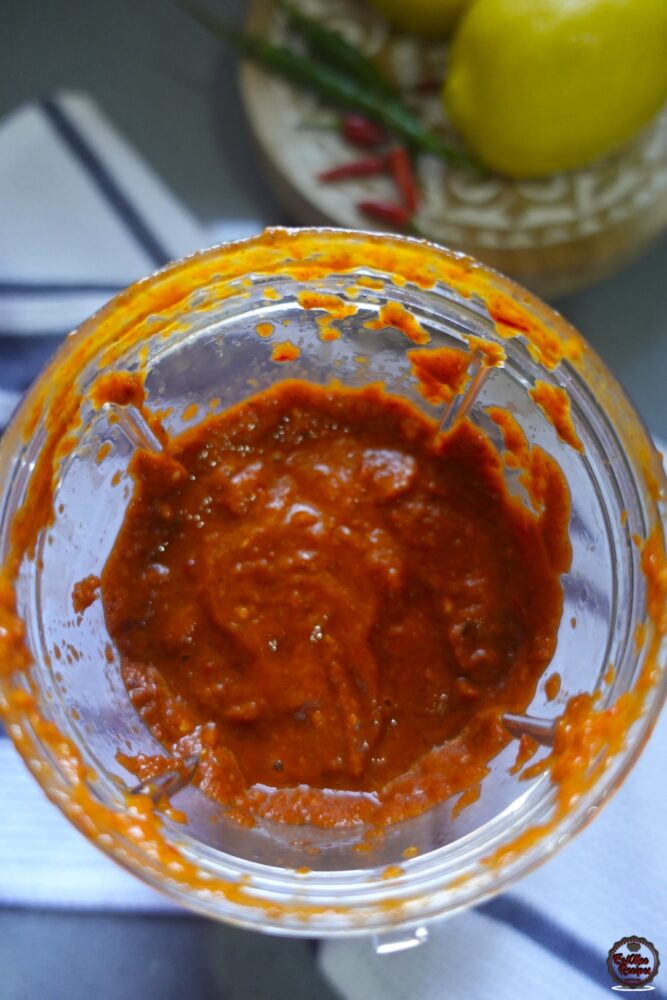
The consistency should be quite thick once blended.
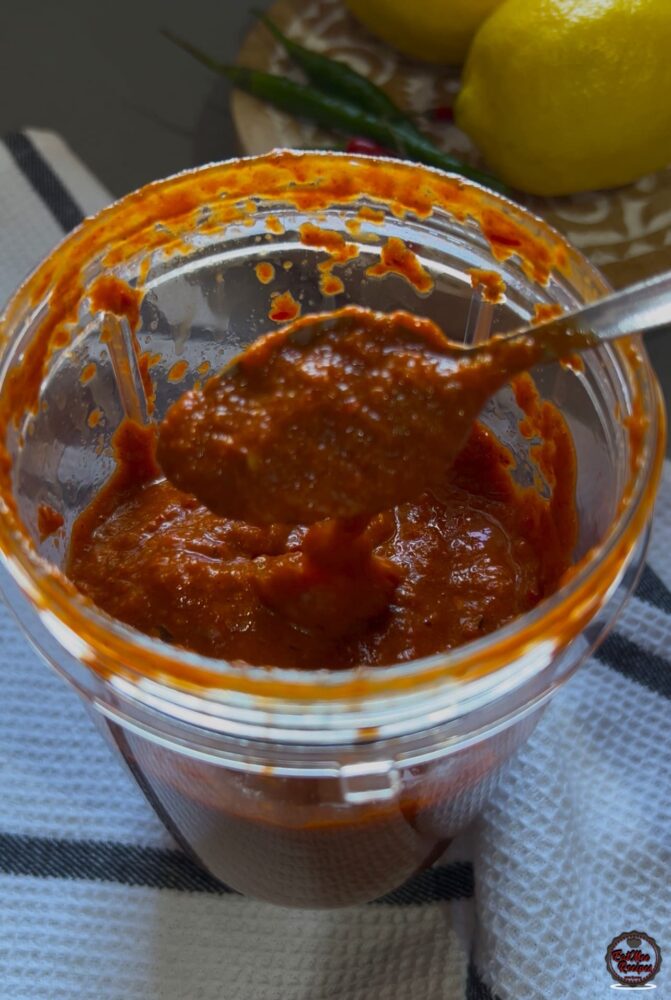
To a pot on low heat, add in the blended mixture.

Stir and allow it to simmer for 5 minutes. This will allow the raw spices to cook through.
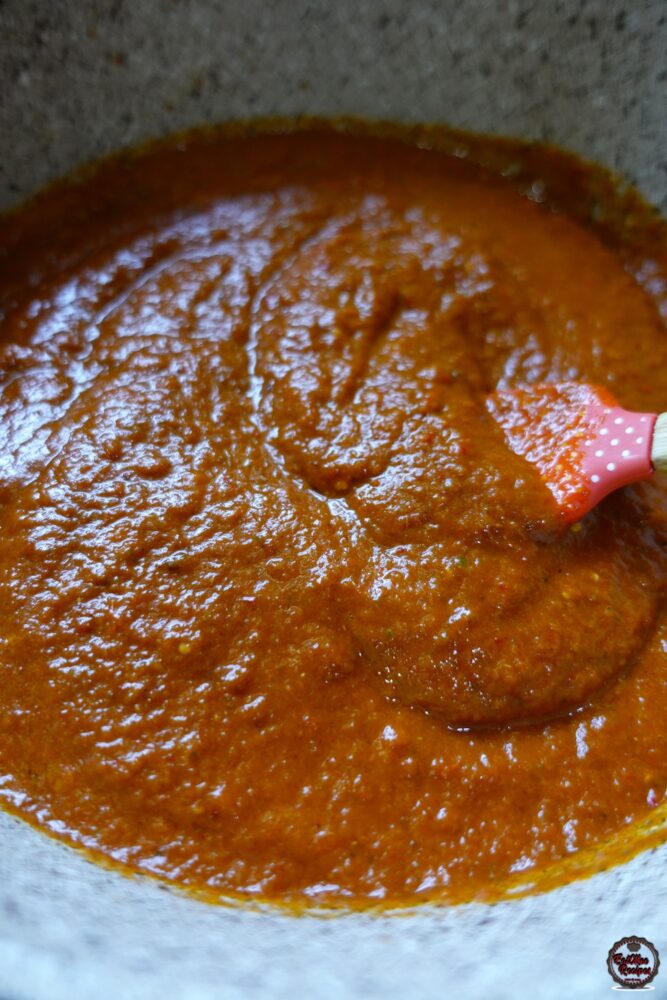
After 5 minutes, pour in the vegetable oil. Other oils such as olive or avocado can change the taste so it’s better to use vegetable oil instead. Pour in the lemon juice and white vinegar.
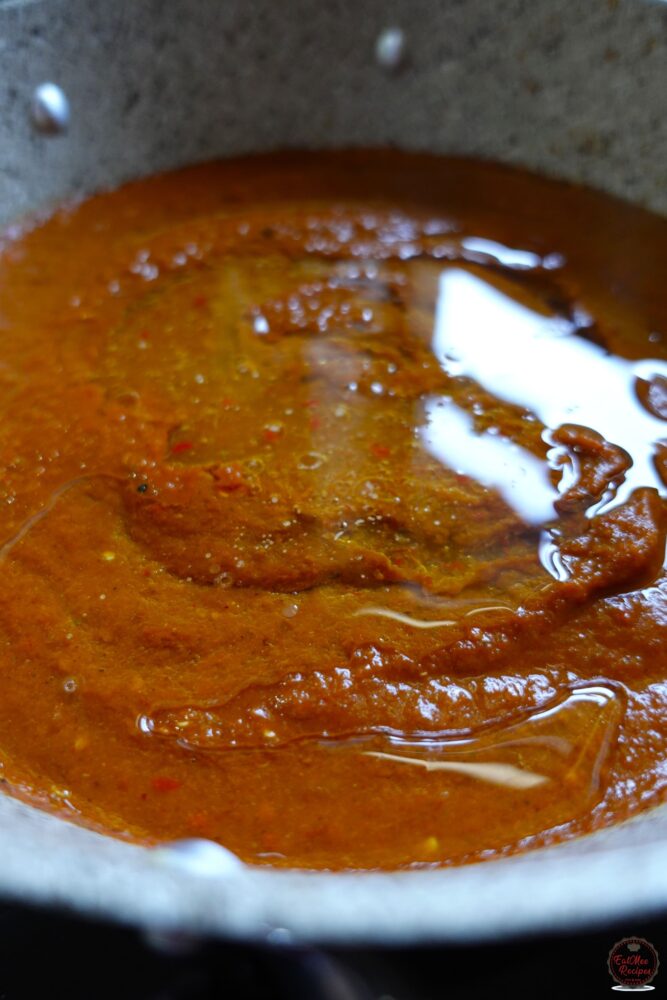
Stir this until the oil absorbs into the mixture.
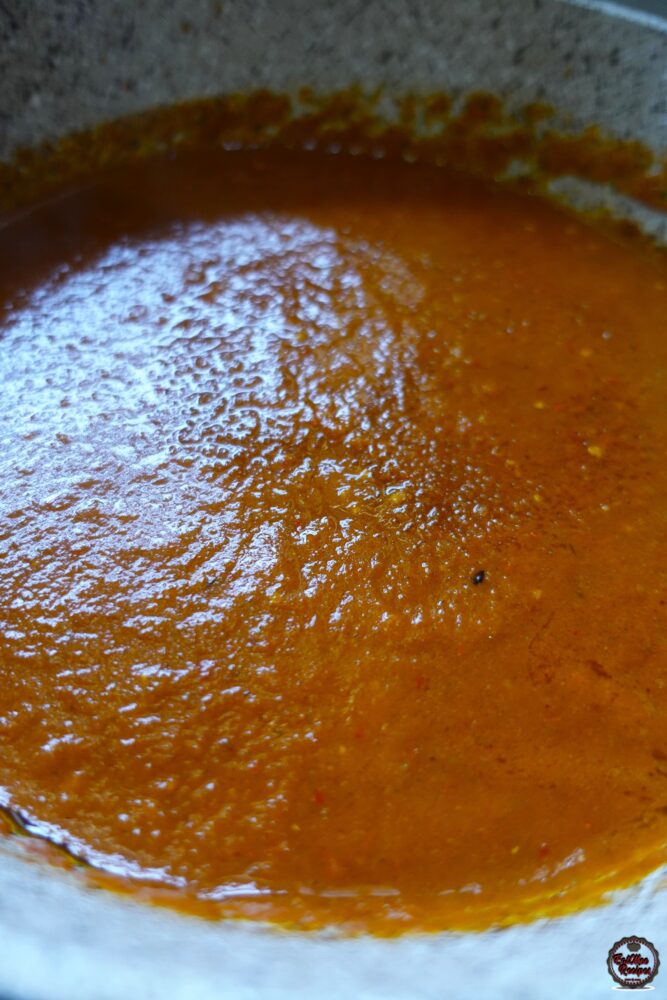
Add in the sugar to balance out the tanginess, stir and simmer for a further 10 minutes.
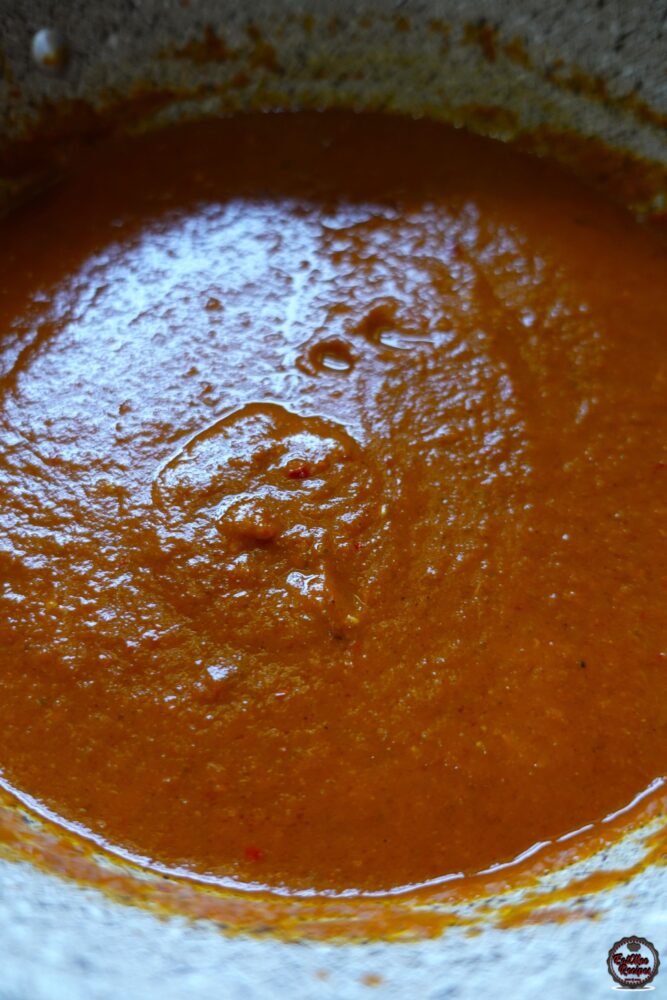
Allow the sauce to cool and then decant into bottles or jars.
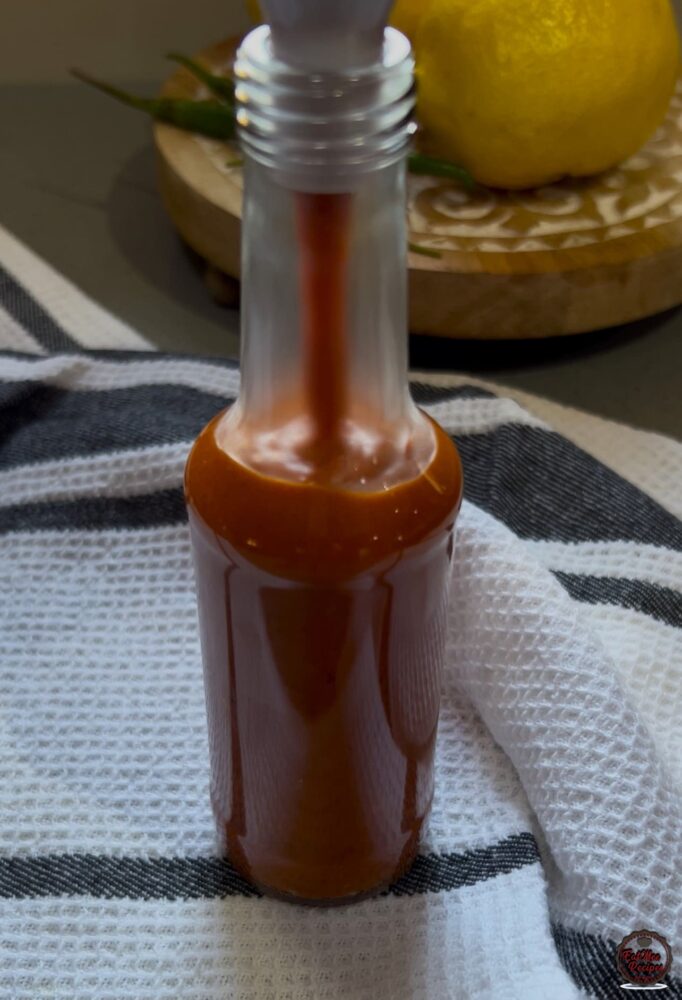
Refrigerate the sauce overnight for best results as it is going to be very vinegary after it has been made. It needs time to settle and balance out the flavours. Note that the sauce will taste very spicy but once settled it will turn into a medium hot spice level.

I also prefer my sauce a bit thick, but you can water it down for a thinner consistency.
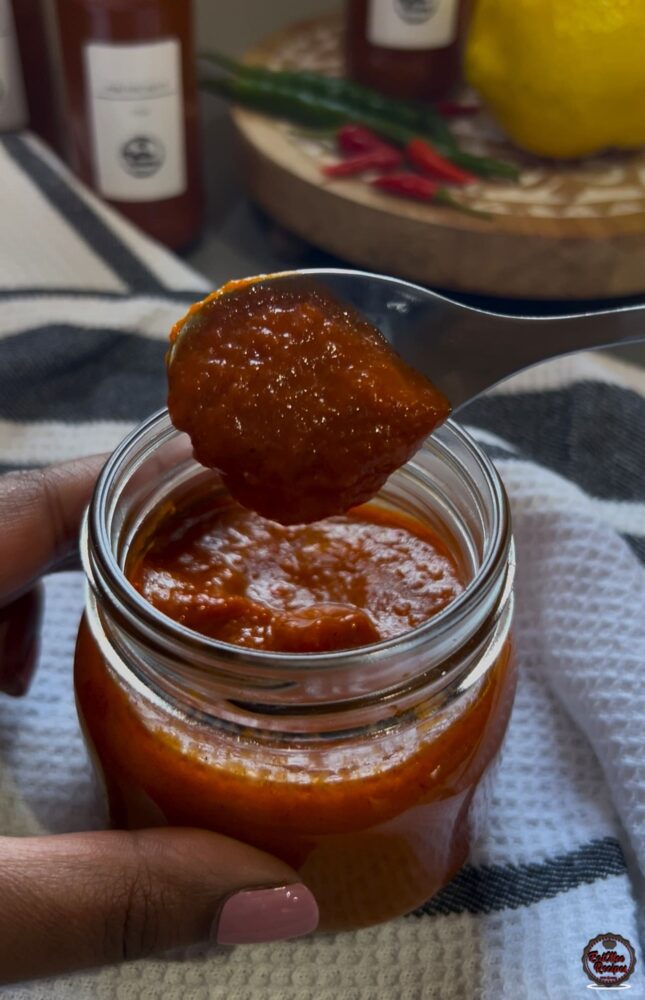
This sauce can be stored in the fridge for up to 6 months.
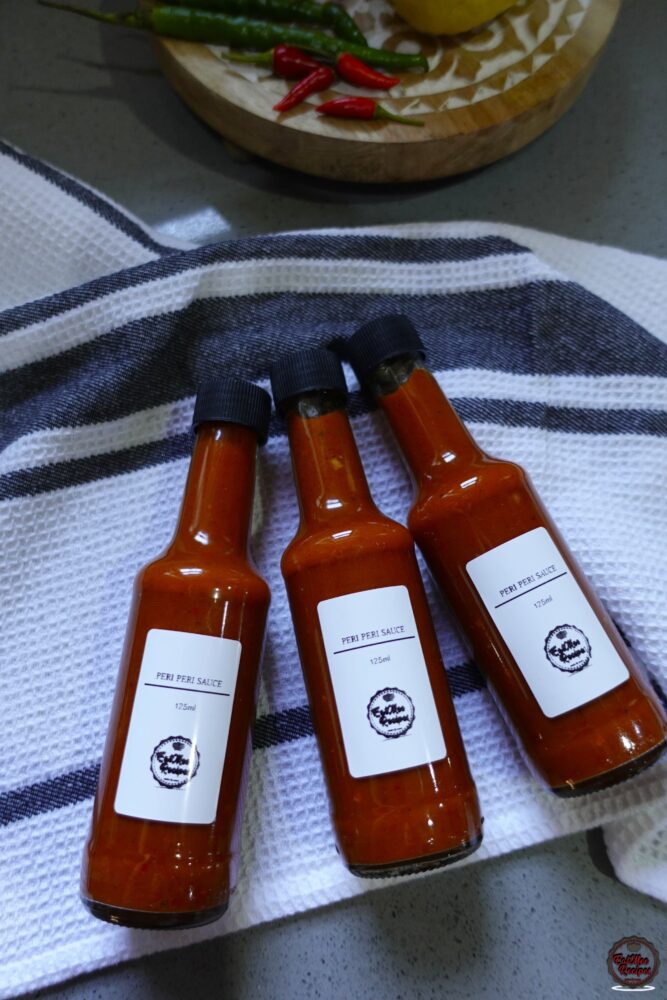
Serve and enjoy!
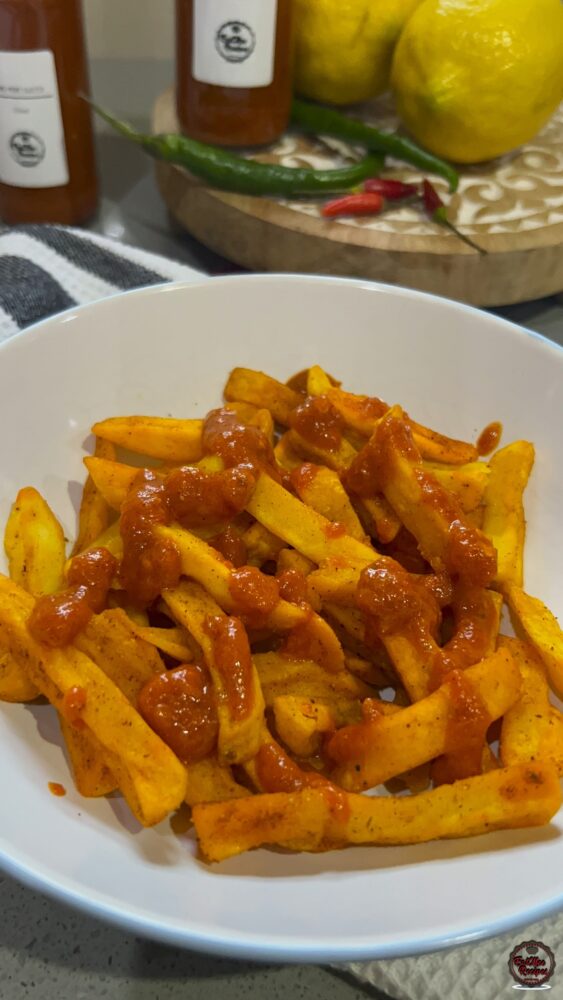
Follow along with Denisiya's step-by-step video guide for Peri Peri Sauce.
Expert kitchen guidance and troubleshooting for making the best Peri Peri Sauce
Peri Peri (also spelled Piri Piri or Pili Pili) means “pepper pepper” in Swahili — and that tells you everything you need to know. The star ingredient is the African bird’s eye chili, a small but mighty pepper known for its intense heat. These chilis are blended with garlic, lemon juice, vinegar, oil, and spices like paprika, oregano, and sometimes smoked flavors. Originating in southern Africa and popularized globally by Portuguese explorers (and later, restaurants like Nando’s), Peri Peri sauce is a fusion of fire, tang, and bold flavor. It’s a staple in Mozambique, Angola, South Africa, and now kitchens around the world.
This sauce is more than just heat — it’s a flavor bomb. Here are a few delicious ways to use it:
Hi, I'm Denisiya! Food lover, recipe developer, and founder of EatMee Recipes. I specialize in authentic South African Durban Indian cuisine, comforting curries, and modern Instant Pot adaptations. Every recipe on this site is tested in my personal kitchen to ensure you get mouth-watering, foolproof results every time.
Explore more authentic Durban curries, traditional bakes, and comforting family favourites.
 Everyday Meals
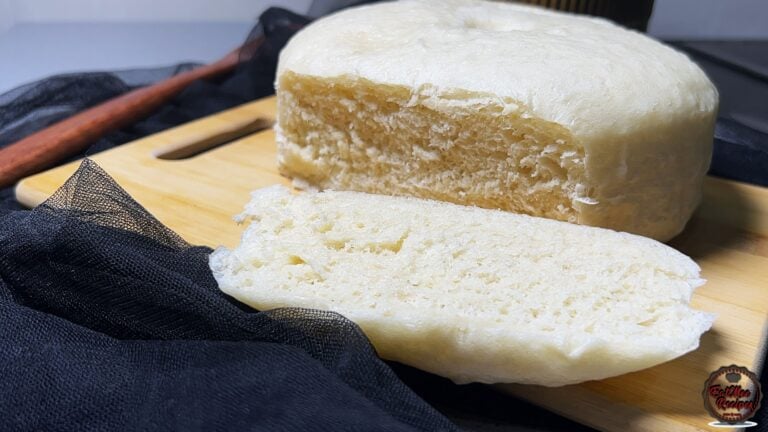
Soft, fluffy steamed bread, also known as ujeqe, is a beloved staple that pairs beautifull...
 Everyday Meals
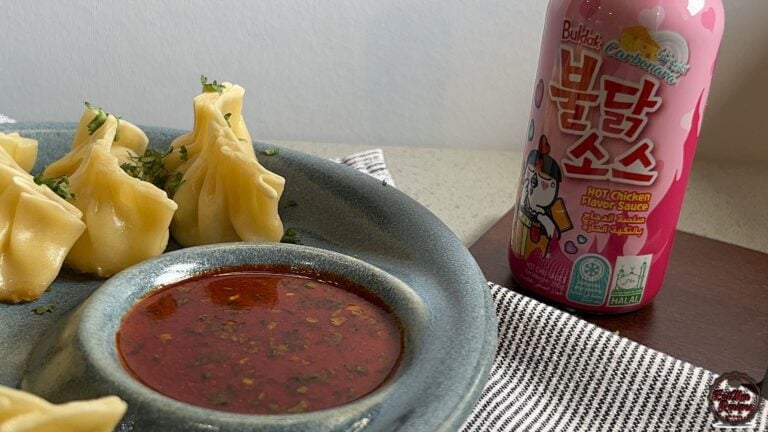
If you enjoy bold, spicy flavours with a creamy twist, this Buldak dipping sauce is one yo...
 Everyday Meals
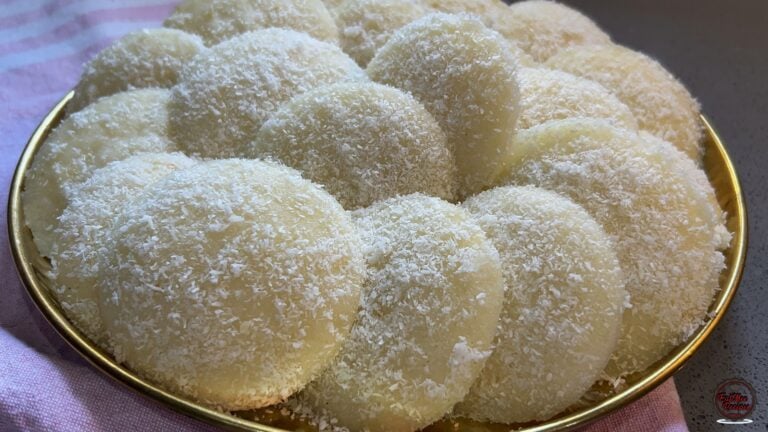
There’s something magical about waking up to the soft aroma of freshly steamed idlis – war...
Have you tried this recipe or have questions for Denisiya? Join the conversation below.
No comments yet. Be the first to share your thoughts on this recipe!
Leave a Comment
Your email address will not be published. Required fields are marked *