
We Value Your Culinary Privacy
EatMee Recipes uses cookies to provide a personalized browsing experience, analyze recipe popularity, and serve relevant ads. You can review our full disclosure in our Privacy Policy.
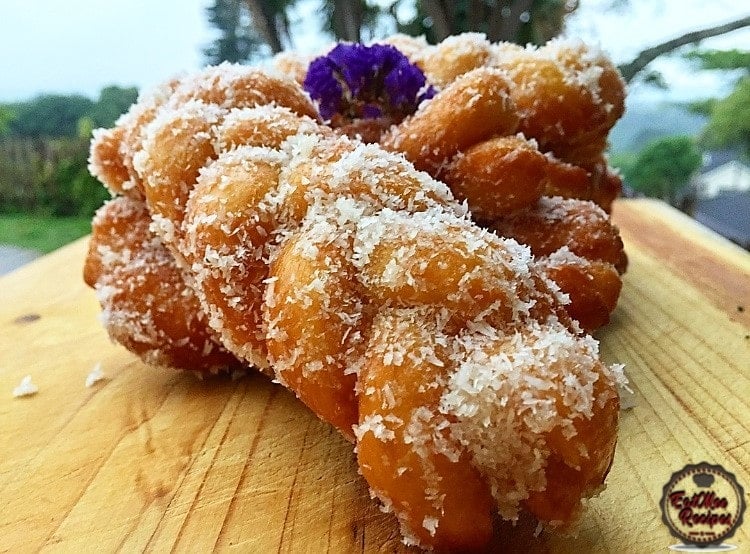
The South African Koeksister is a traditional Afrikaner dessert, prepared by frying a dough & then infusing it in syrup or honey.

Join over 60,000+ home chefs for weekly authentic Durban Indian cook-alongs, Instant Pot masterclasses, and family heritage recipes.
The South African Koeksister is a traditional Afrikaner dessert, prepared by frying a dough & then infusing it in syrup or honey.
The word “koek” derives from the Dutch word, meaning a wheat flour confectionery & “sister” refers to the tradition of two sisters plaiting doughnuts & thereafter dunking them into syrup. Most often, people mistakenly think that the word “sister” in koeksister refers to a sibling, as the Afrikaans spelling in this case is “suster“. As a result, koeksister is sometimes misspelled as “koeksuster”.
This sweet treat should not be confused with the Cape Malay version called koe’sister which is a spicy dumpling version with a cake-like texture, & is often finished off with a sprinkling of coconut.
Koeksisters are traditionally made with yeast, although for this recipe I have omitted the yeast. They are still as delicious as the ones prepared with yeast.
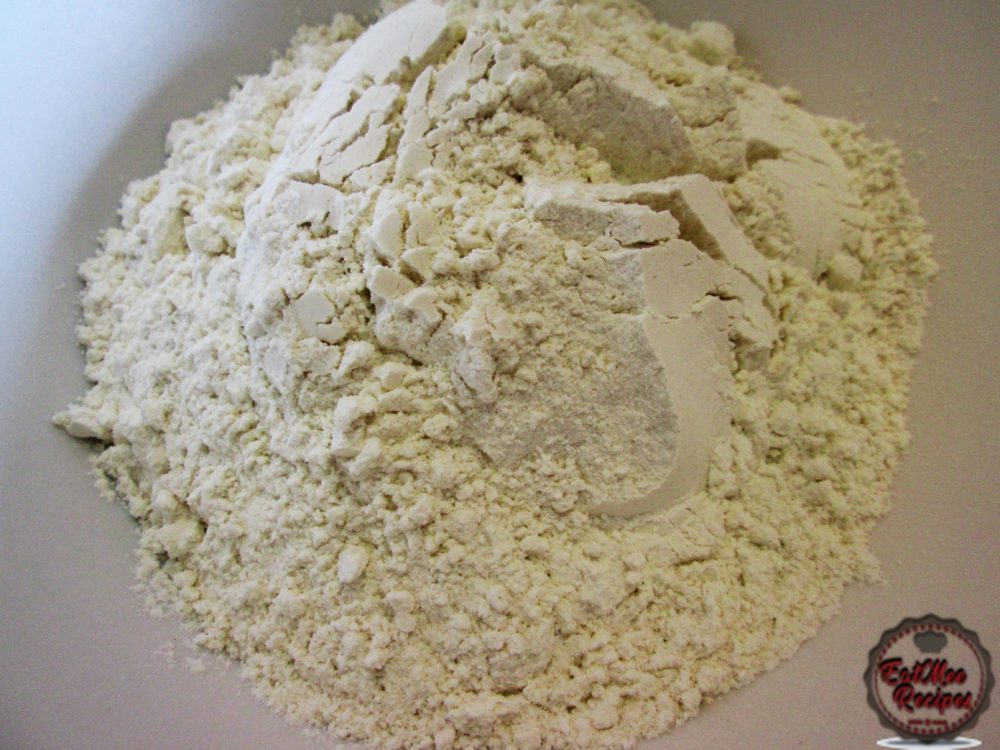
Add the all purpose flour to a mixing bowl.
Add in the baking powder.
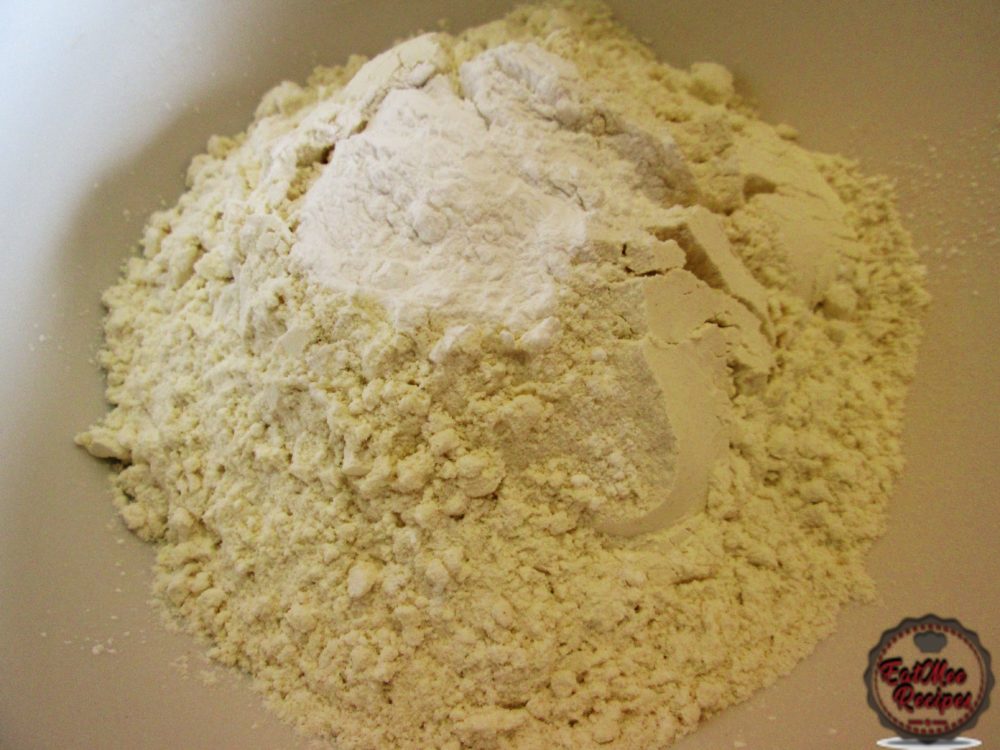
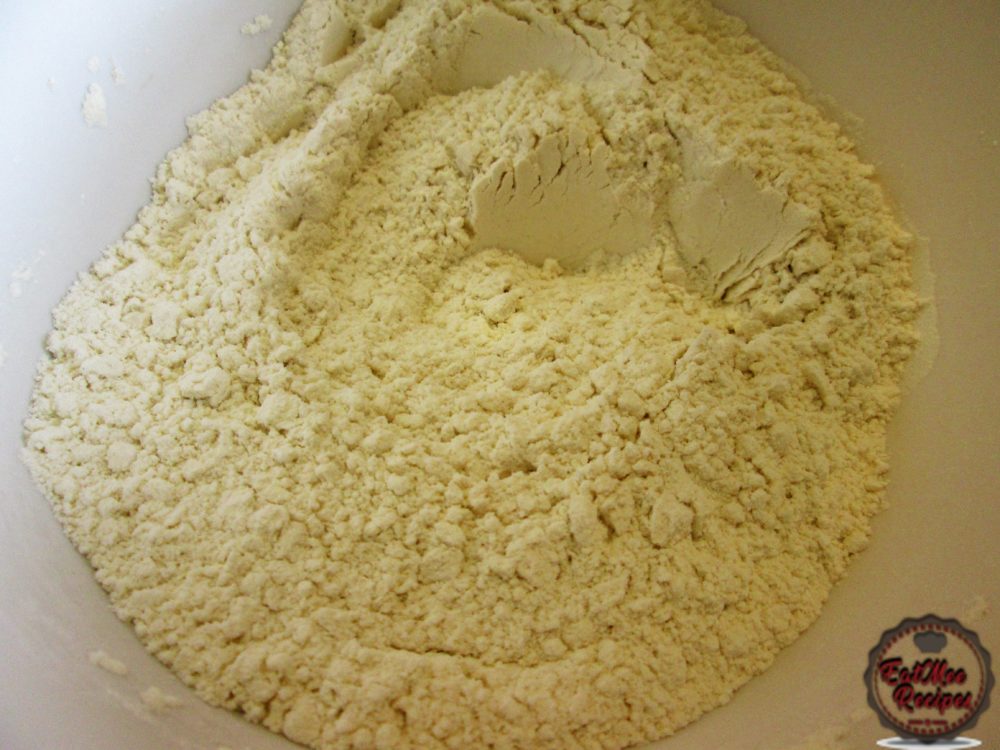
Mix well.
Add in the butter.
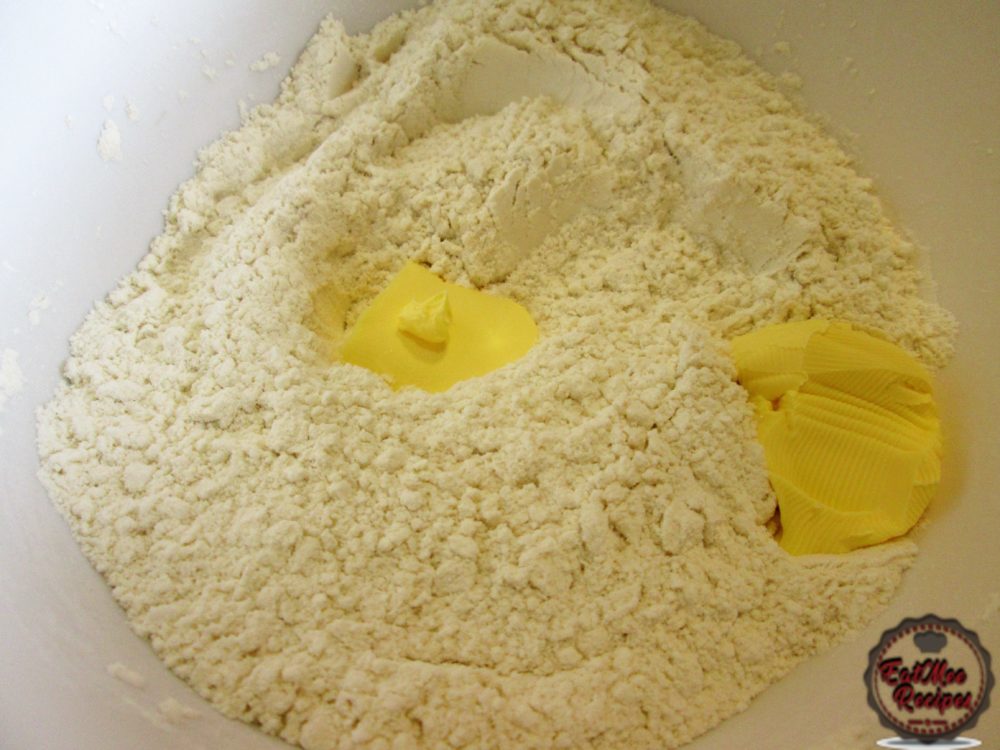
Using your hands, rub the butter into the flour.
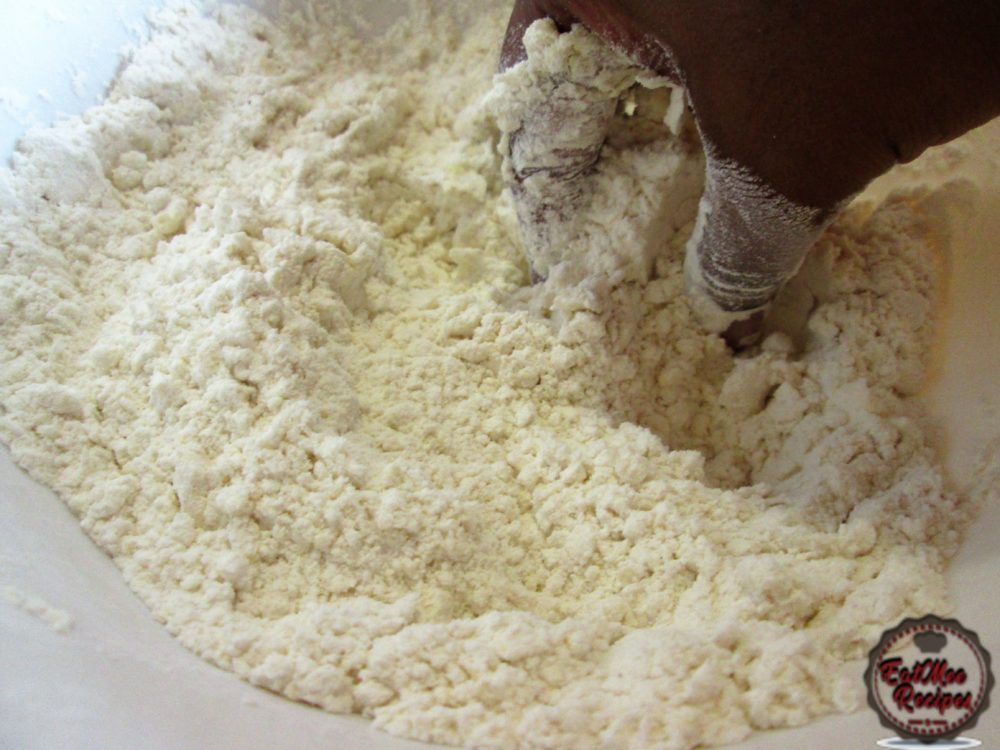
It should resemble breadcrumbs.
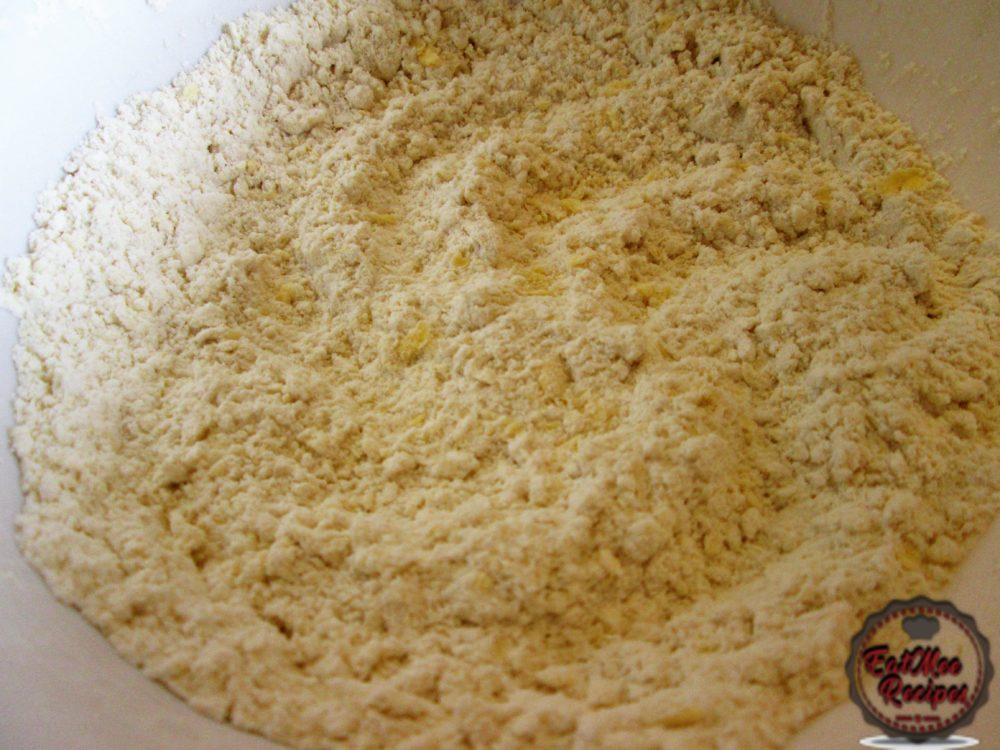
Pour in the sourmilk (maas) or plain yoghurt.
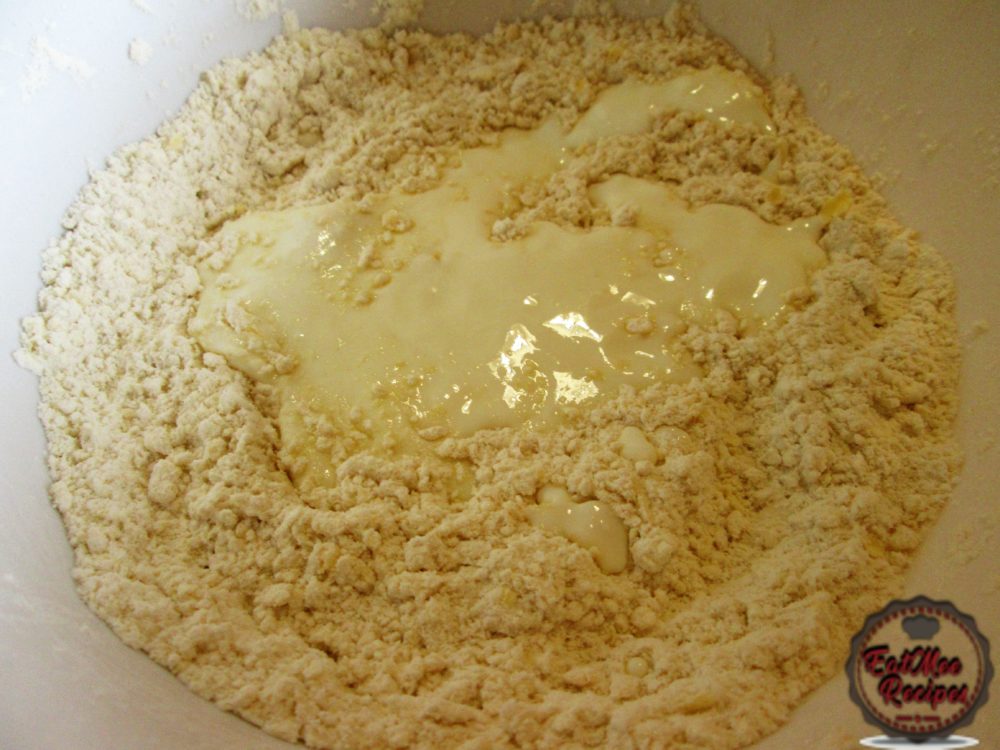
Thereafter, pour in the milk.
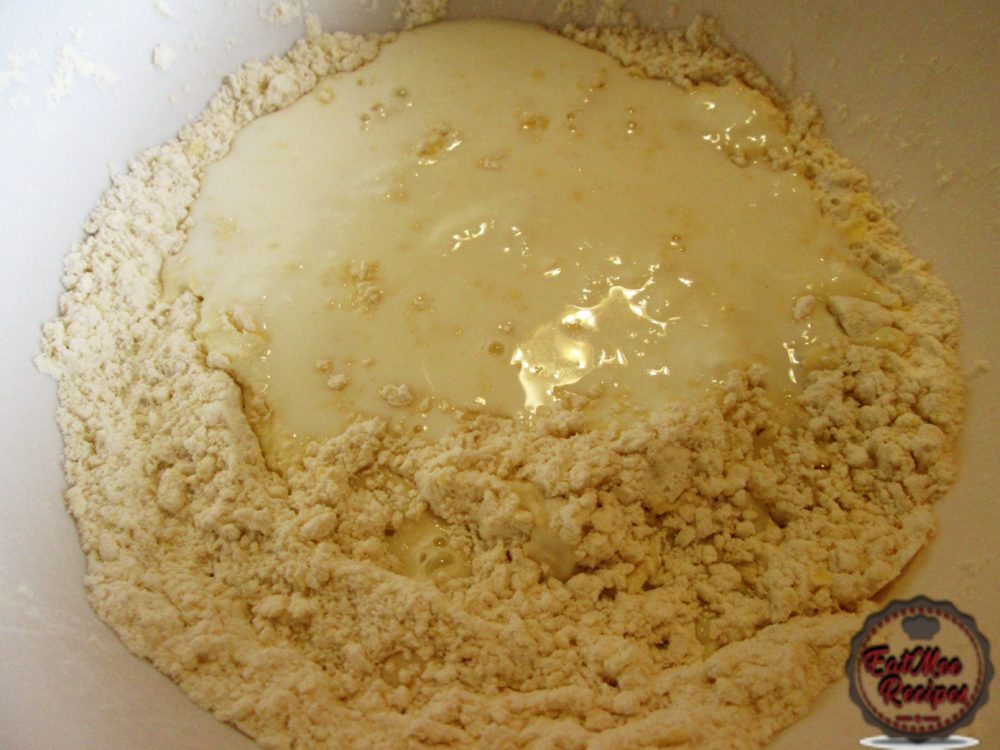
Mix well until a dough forms.
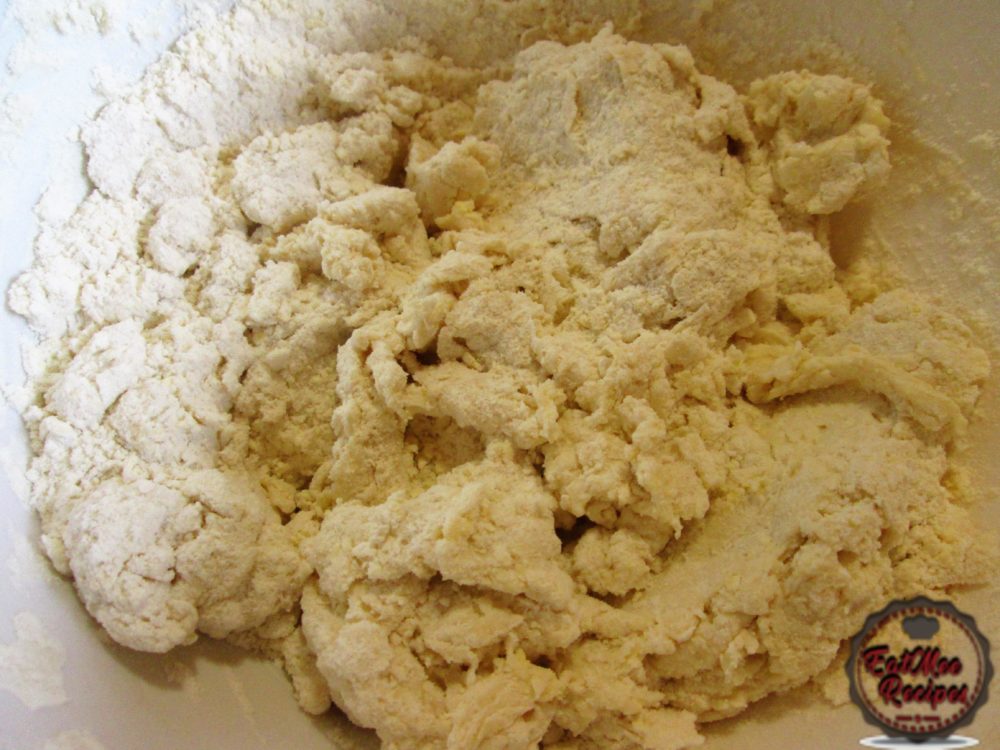
The dough will not be so pliable, so flour a surface & begin kneading the dough until smooth.
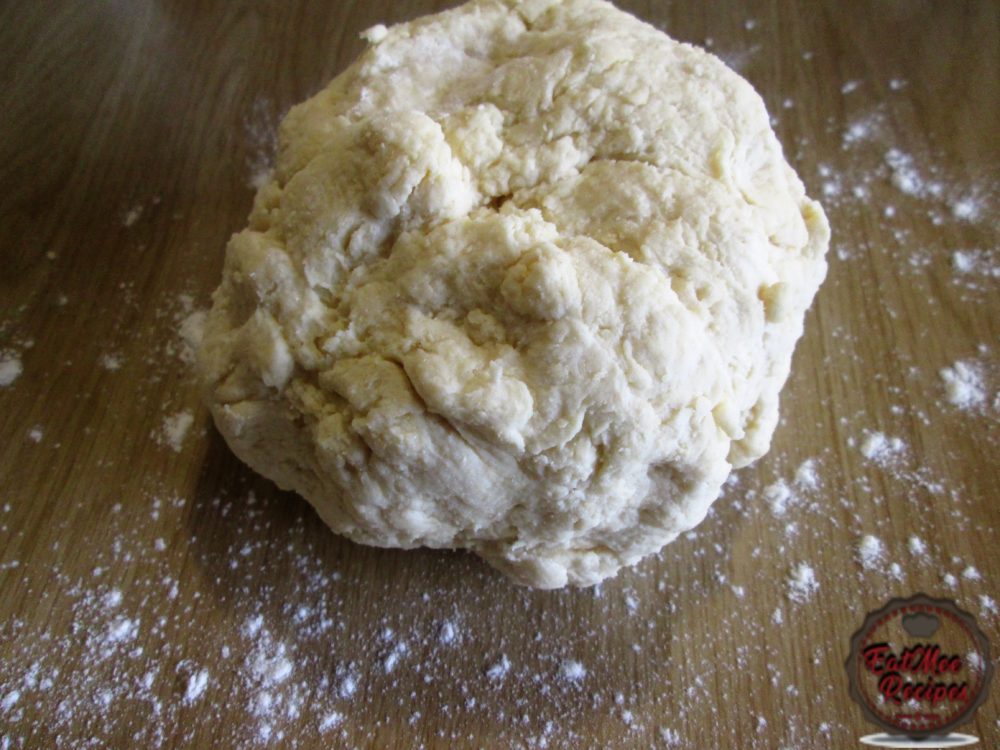
Once the dough is smooth, place it in a lightly greased bowl & cover the bowl with cling wrap. All the dough to rest for an hour or more.
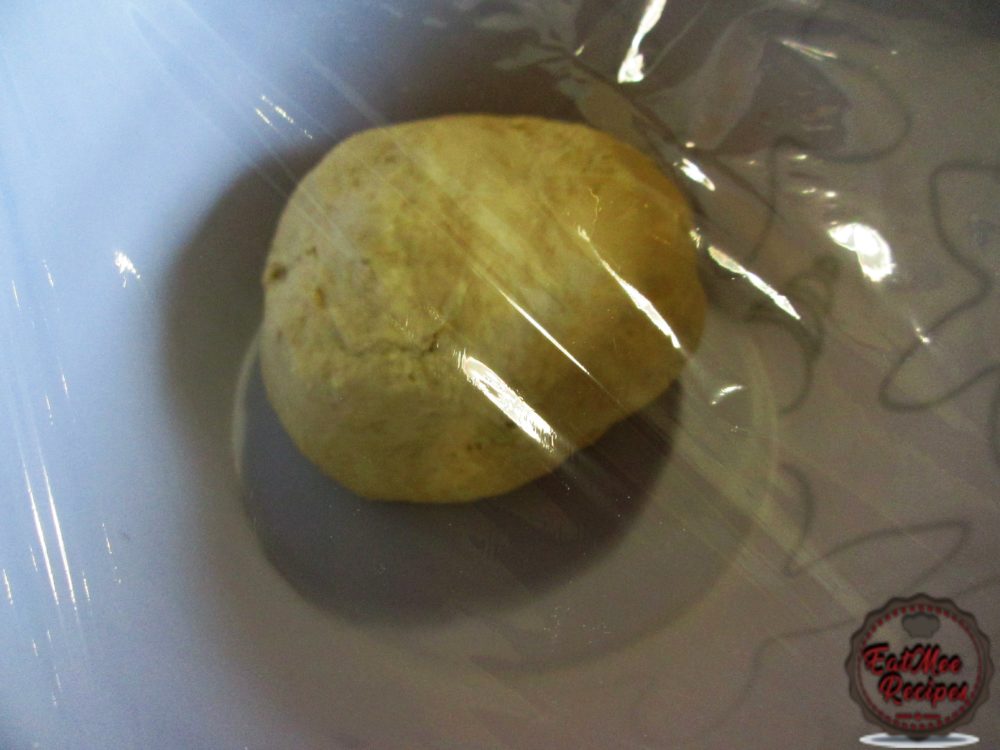
Whilst the dough is resting, get started on the syrup.
Add the sugar to a small pot.
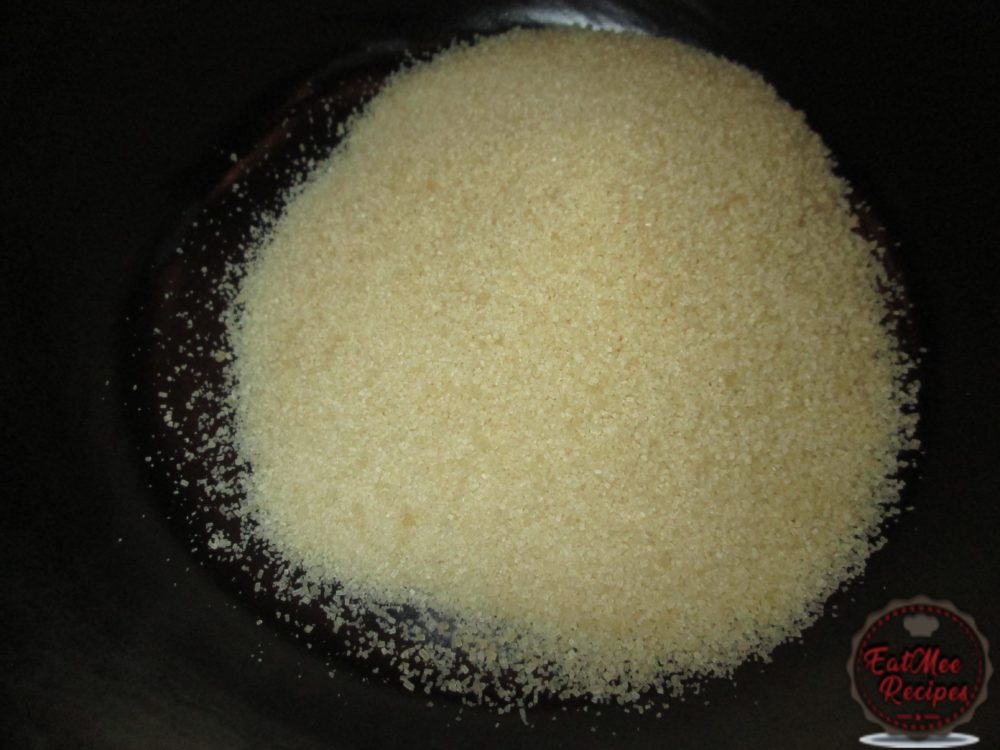
Pour in the water.
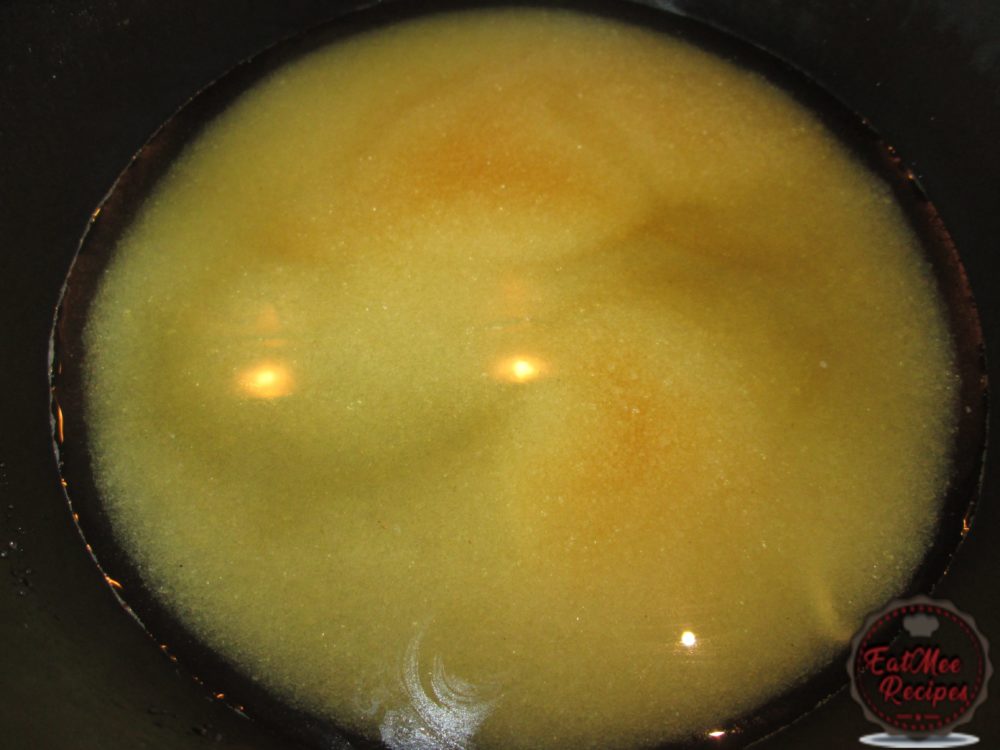
Add in the cinnamon stick.
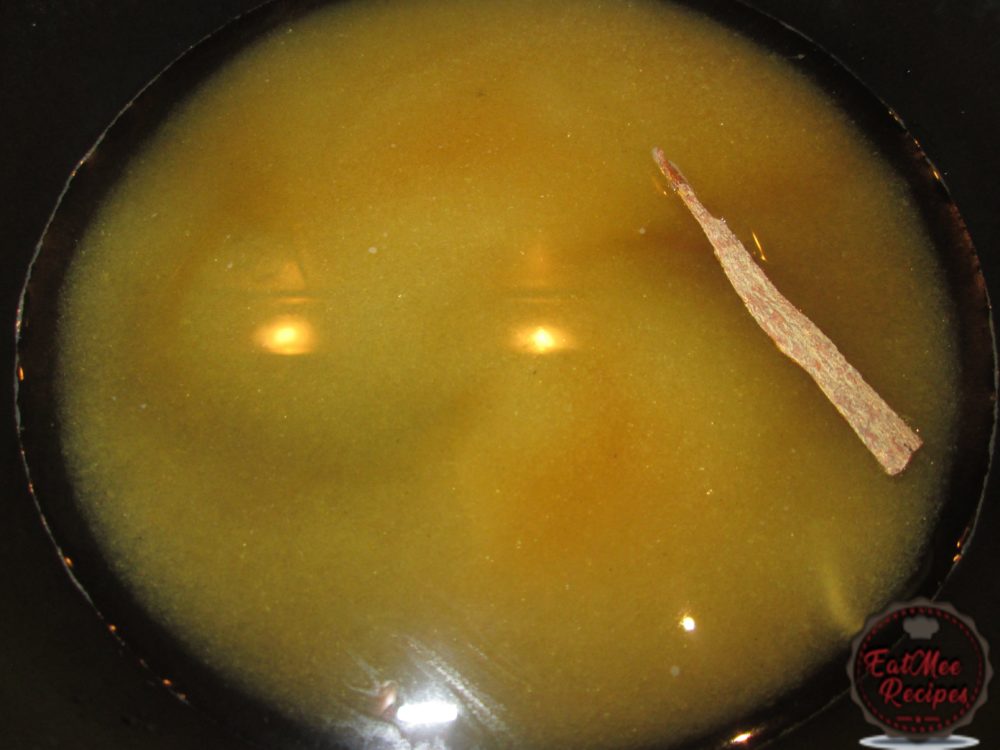
Turn up the heat to medium & stir until the sugar dissolves.
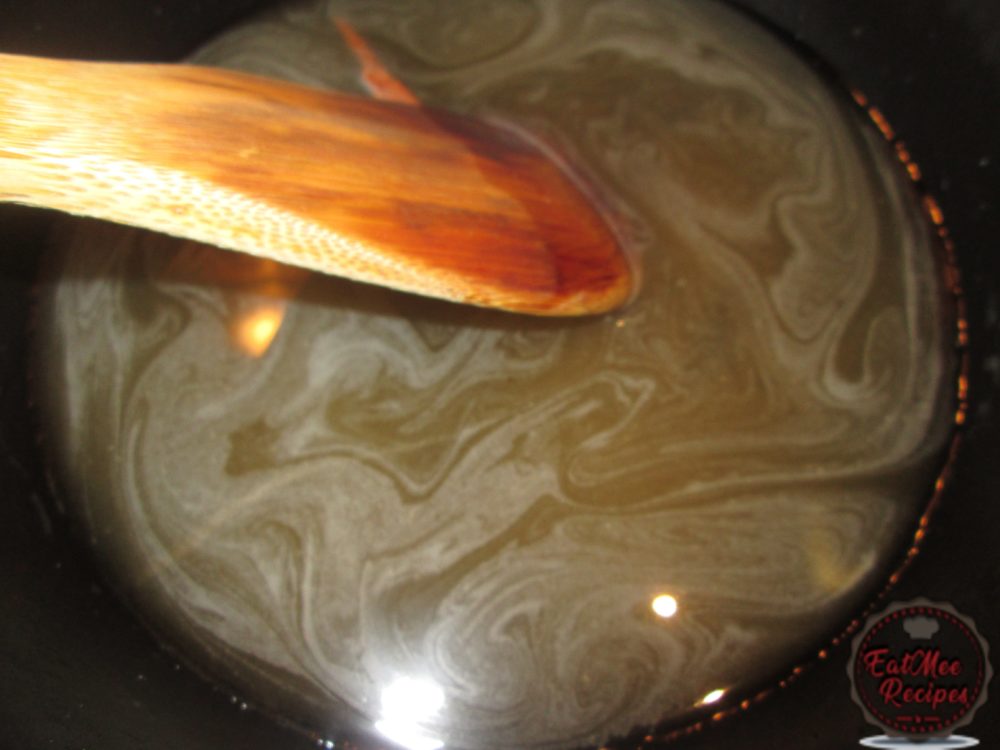
Once the sugar has dissolved, bring the mixture to a boil.
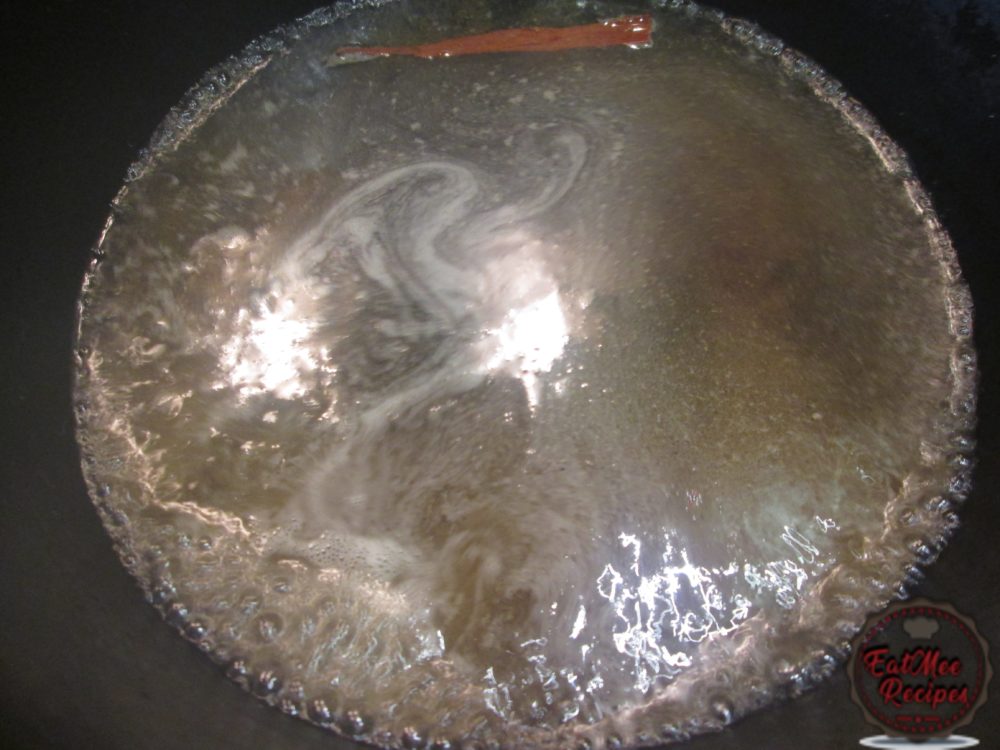
Thereafter, turn down the heat to low & allow the syrup to simmer for 20 minutes.
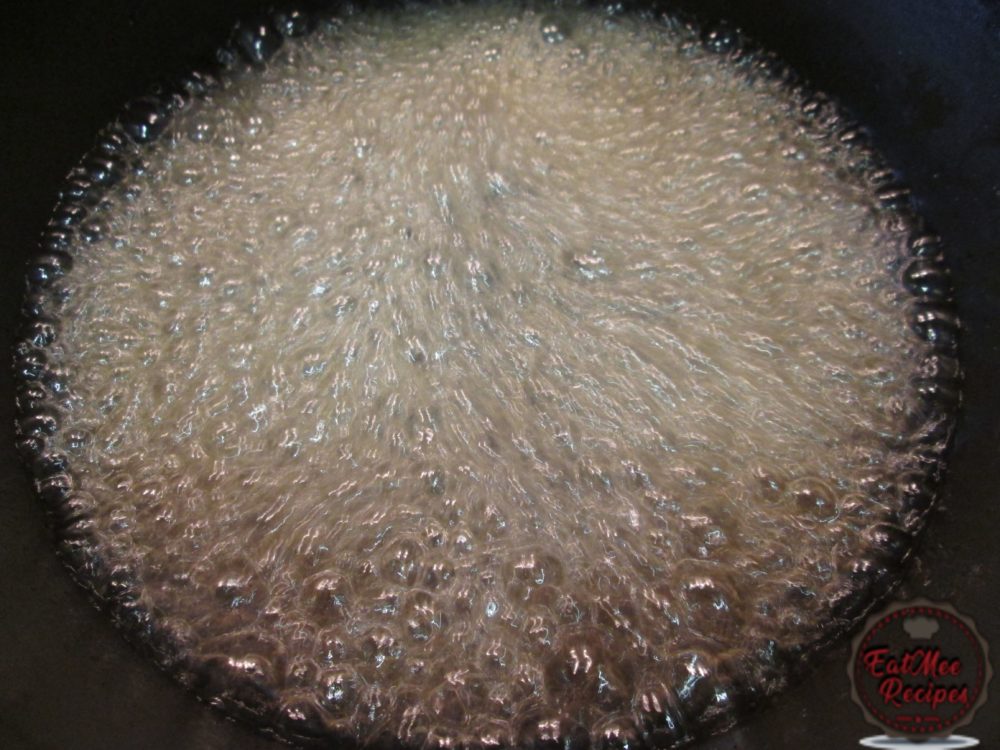
When the syrup is done, remove from heat & set aside.
When the dough is done resting, it should be much softer & would have expanded in size.
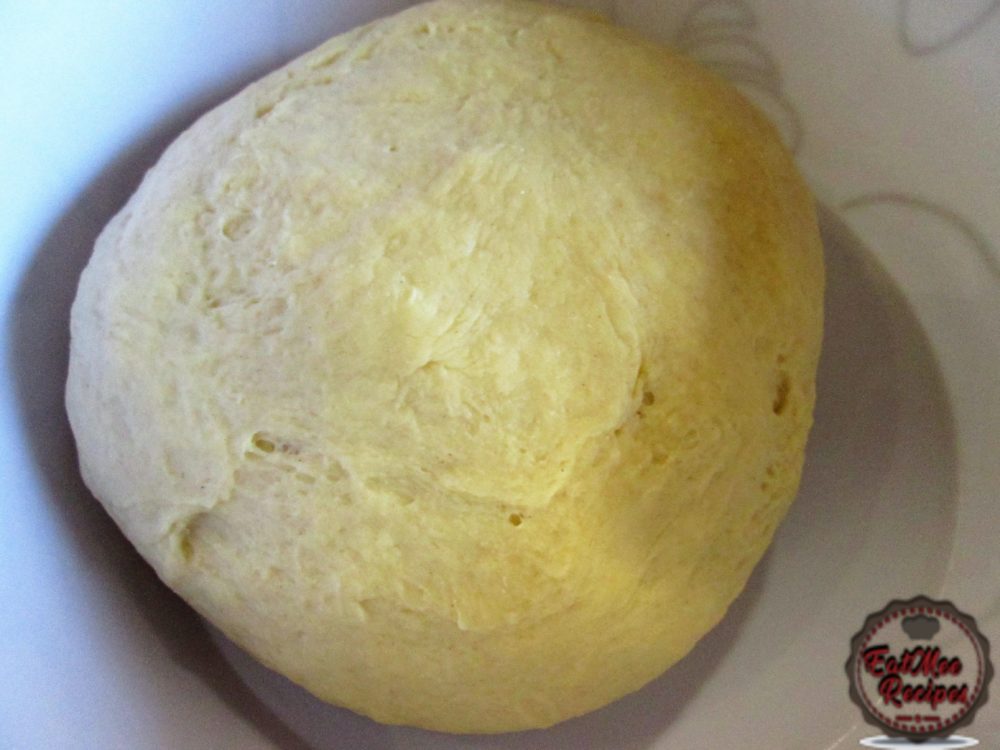
Divide the dough into 8 pieces.
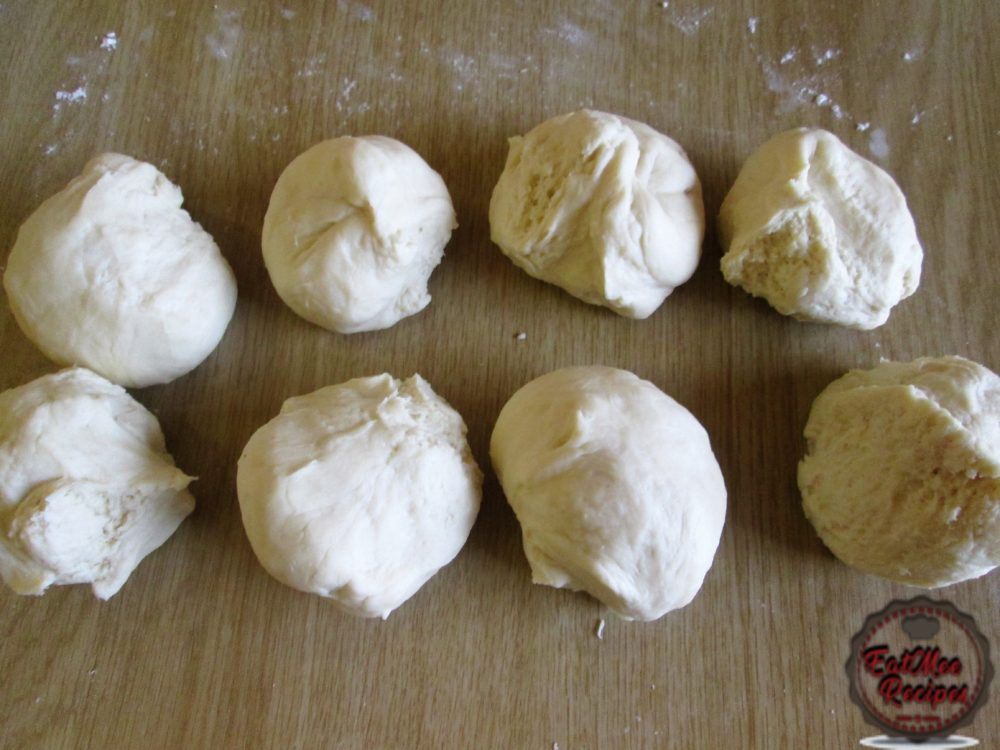
Take one part of the 8 pieces & divide it into 3 equal parts. This will be used to make the plait.
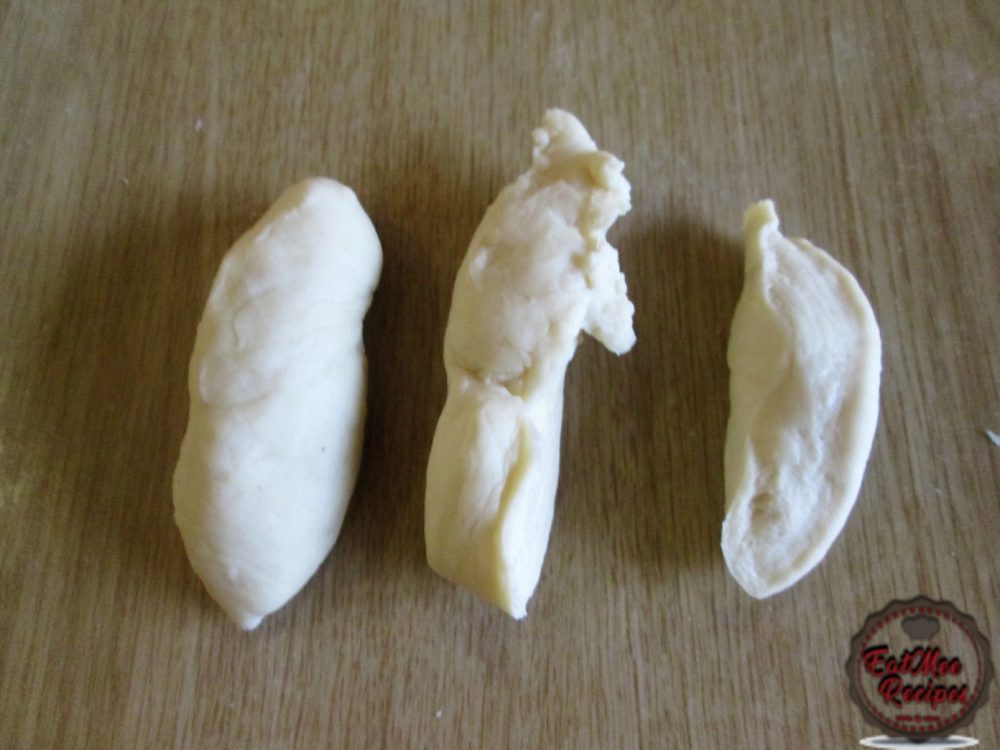
Roll the 3 pieces using your palm into rope like shapes. Making sure that their lengths are the same.
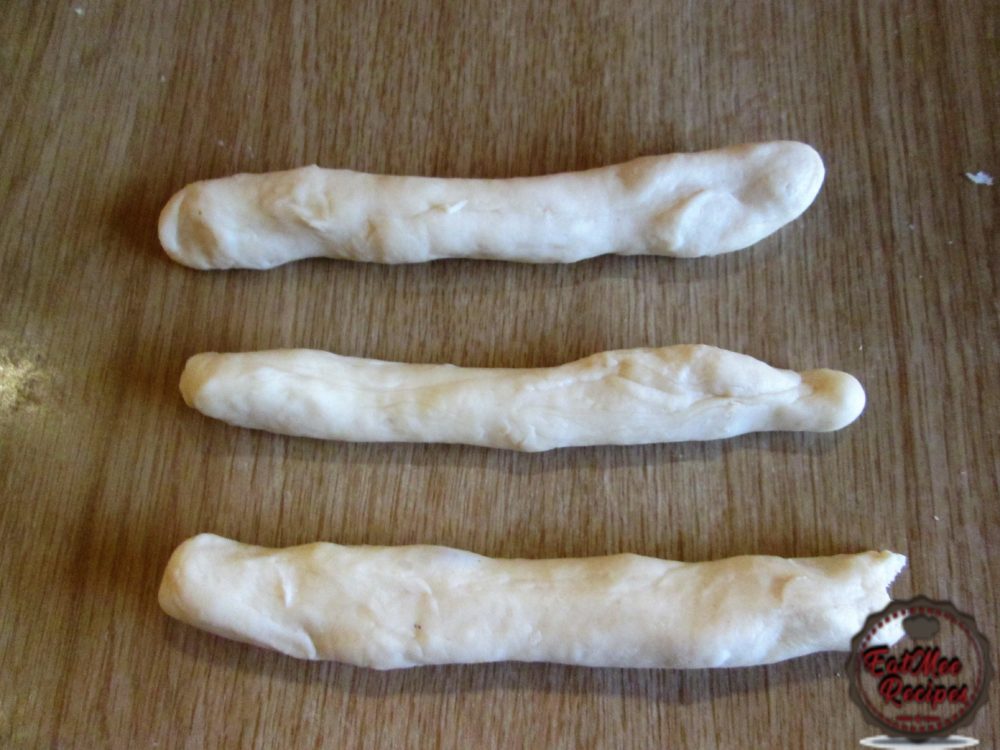
Next, join the top of the 3 ropes together.
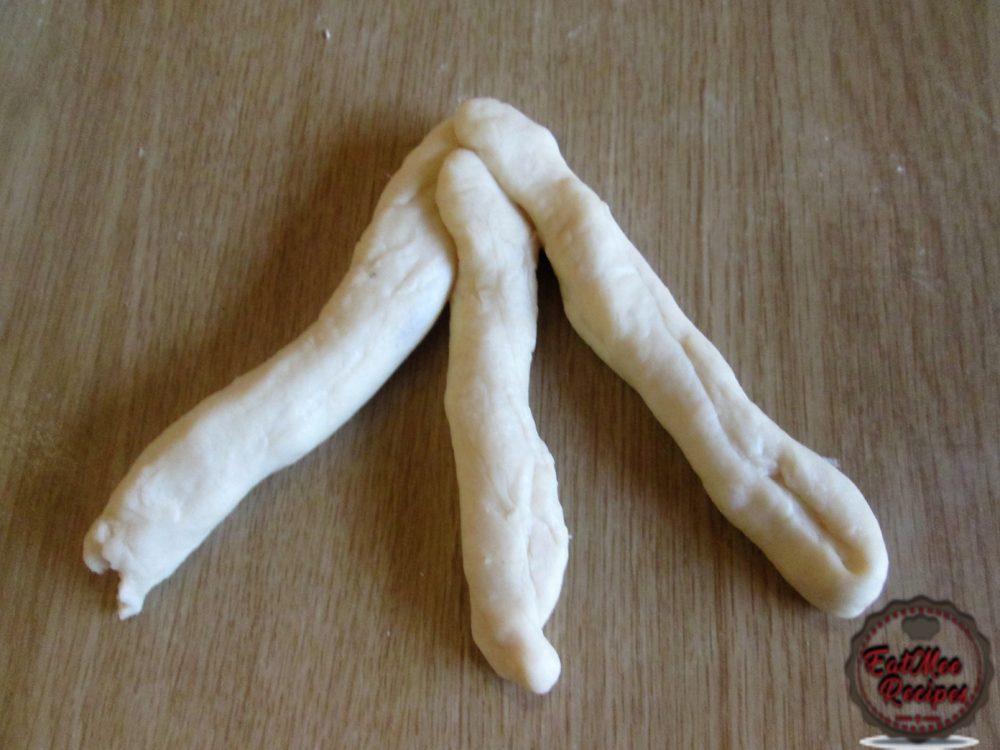
Begin plaiting into a braid – take the far right rope over the middle rope, then the far left rope over the middle rope, continuing until you reach the end. Tuck the bottom of the braid under.
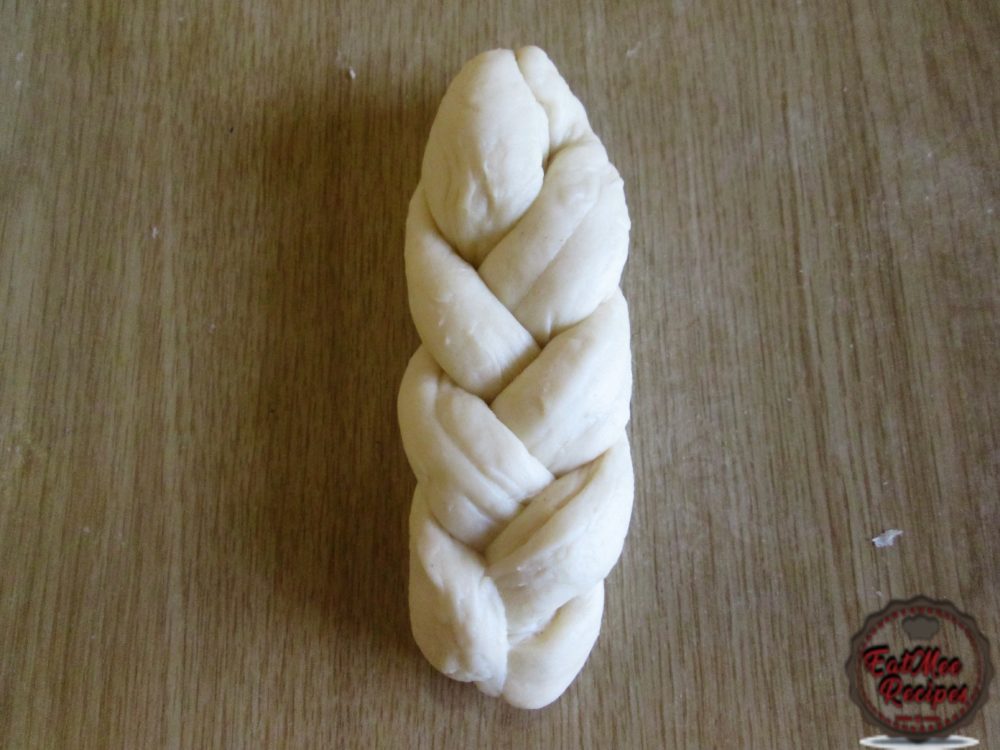
Continue the same process until all the braids are done.
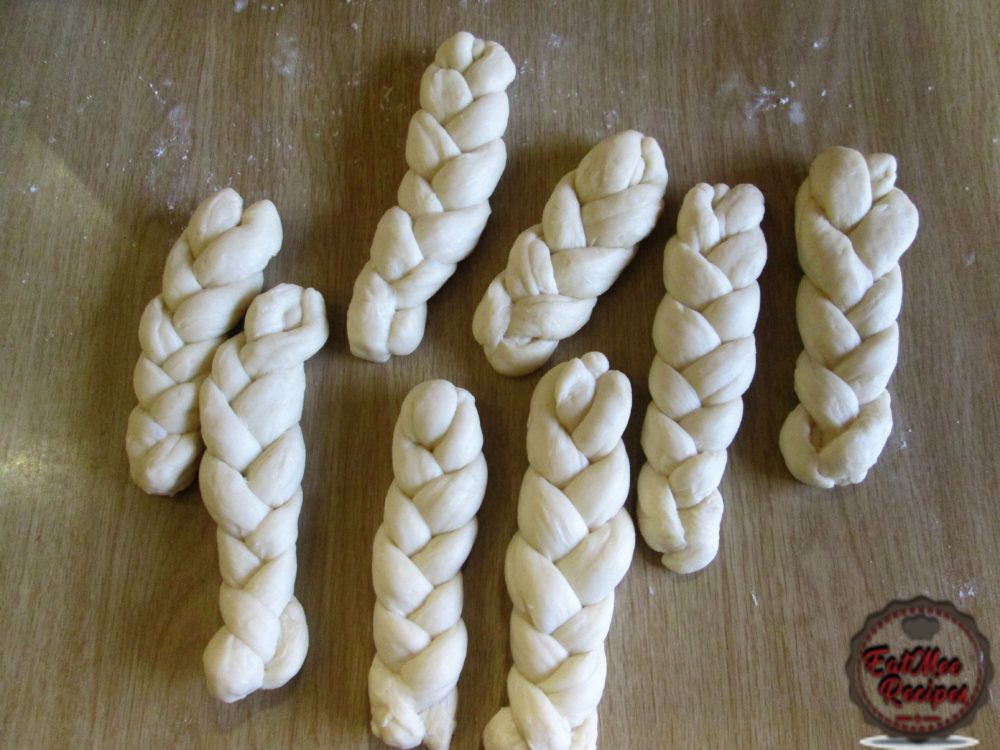
Heat enough vegetable oil in a deep pot for deep frying.
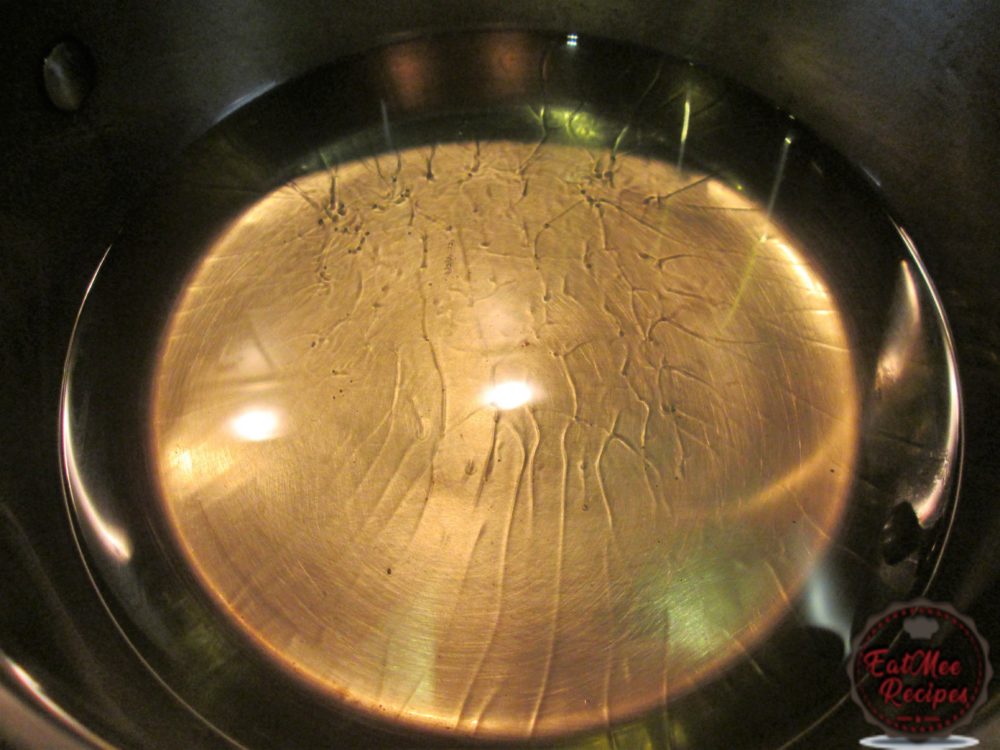
Once the oil is hot enough, carefully place the braided dough’s into the oil.
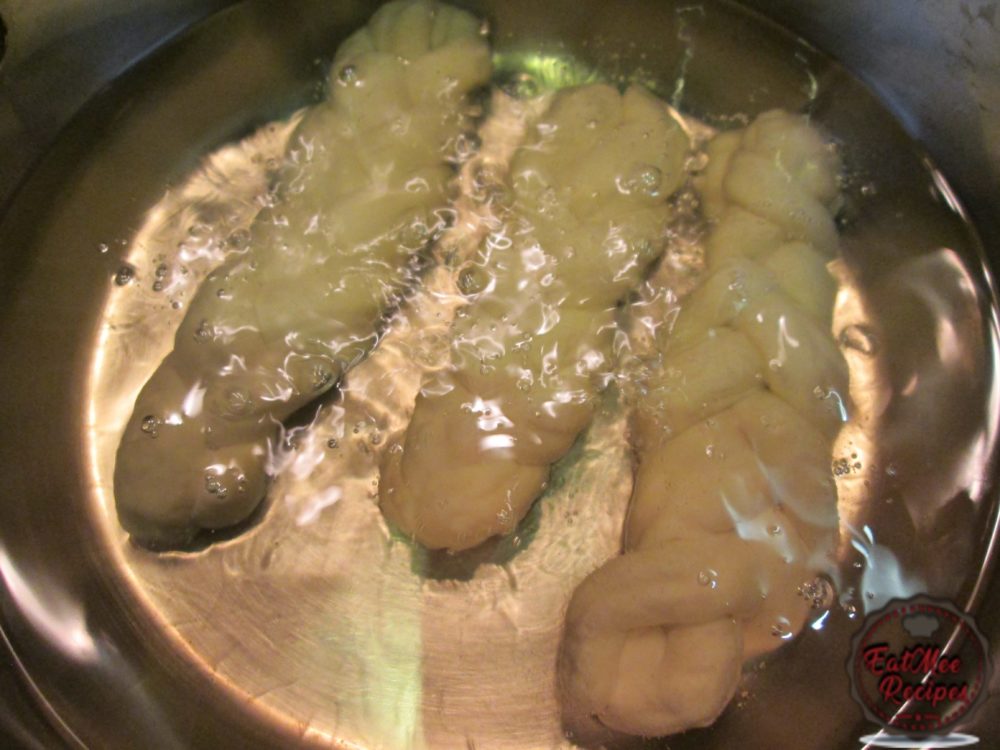
After a few minutes you will notice them puff up.
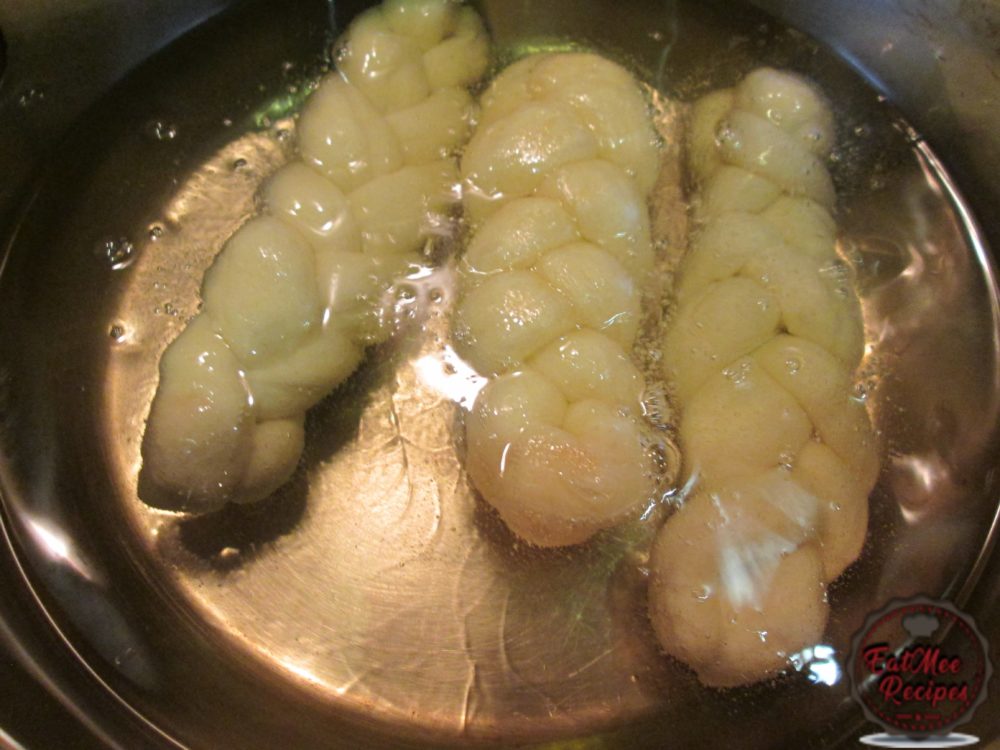
Fry each side until golden.
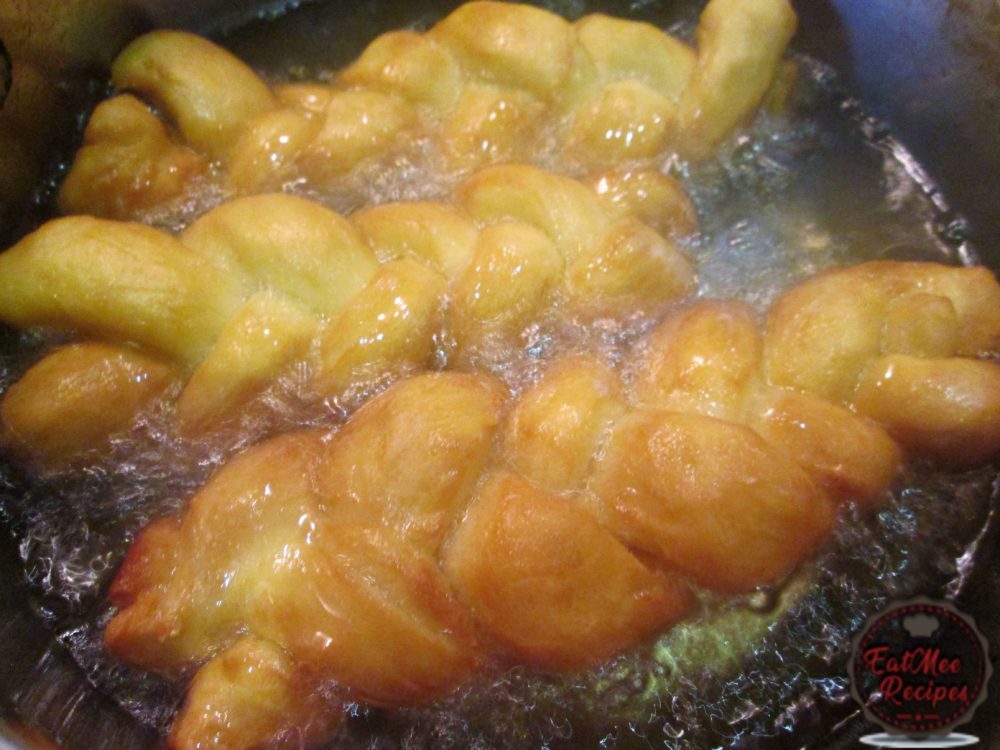
Once the braids are fried, remove & drain off excess oil on a paper towel.
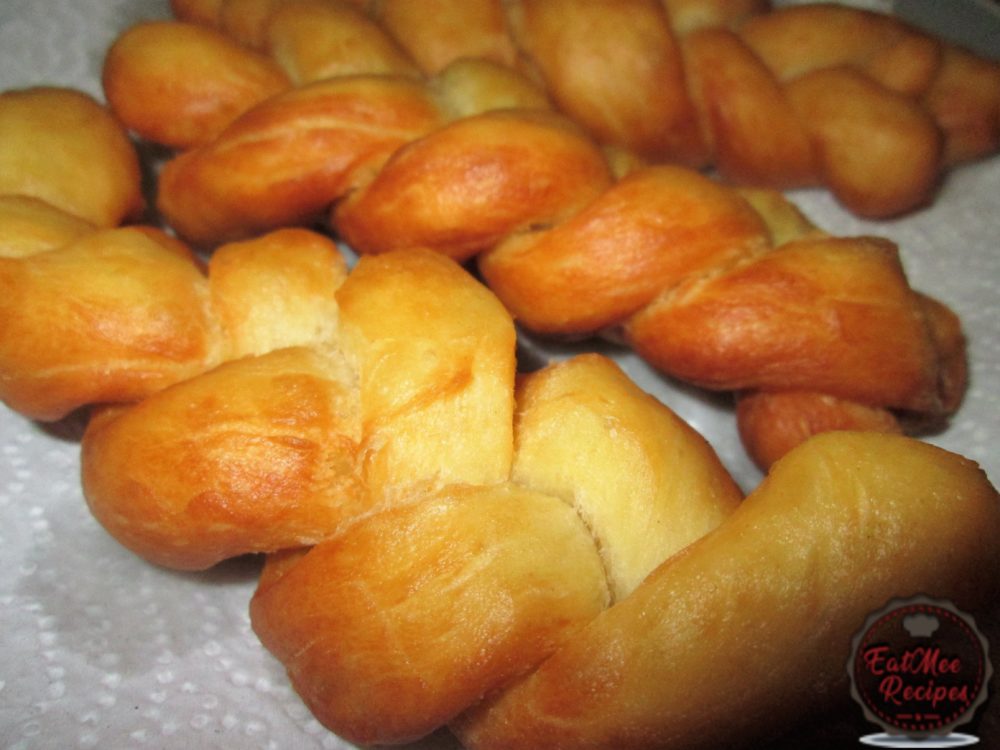
Next, soak the braids into the syrup that was prepared. Soak them for about 3 minutes on each side.
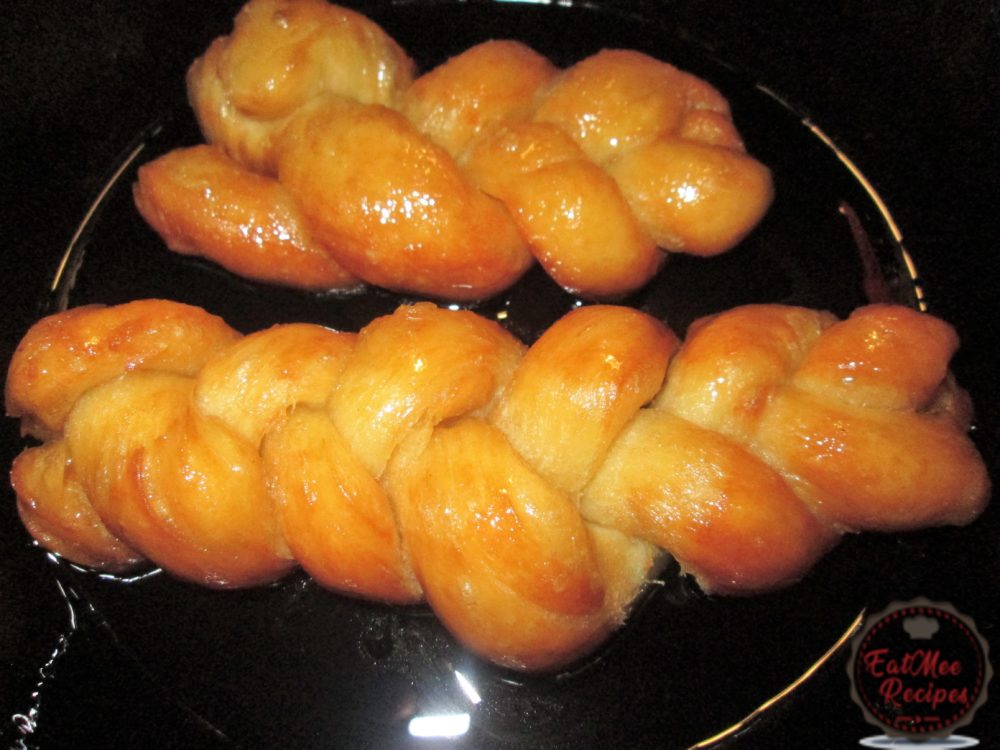
These South African Koeksisters may be served as is or you can go ahead & toss them in desiccated coconut.
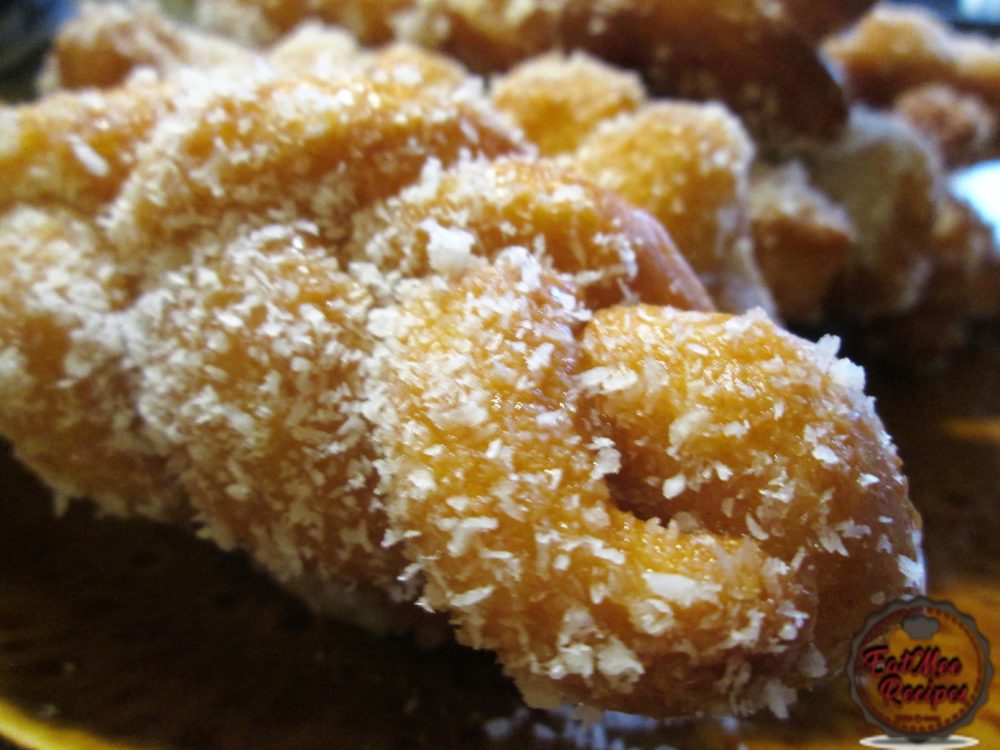
Enjoy your South African Koeksister with a hot drink.
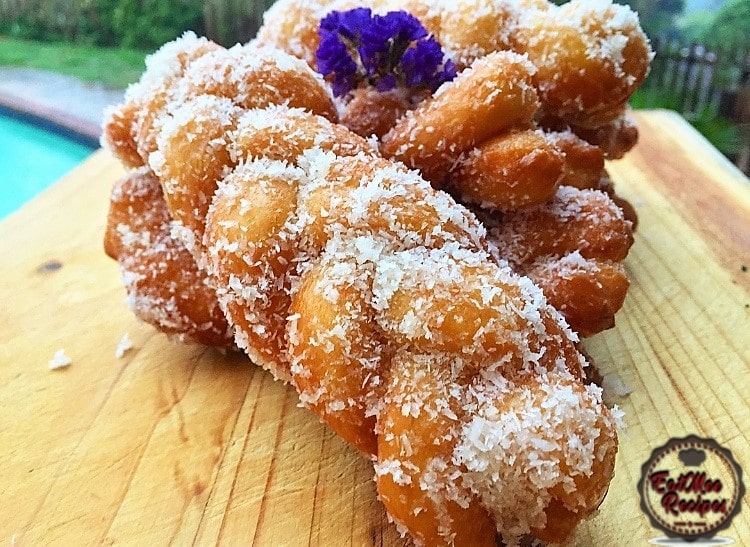
These Koeksisters last up to a week in an airtight container.
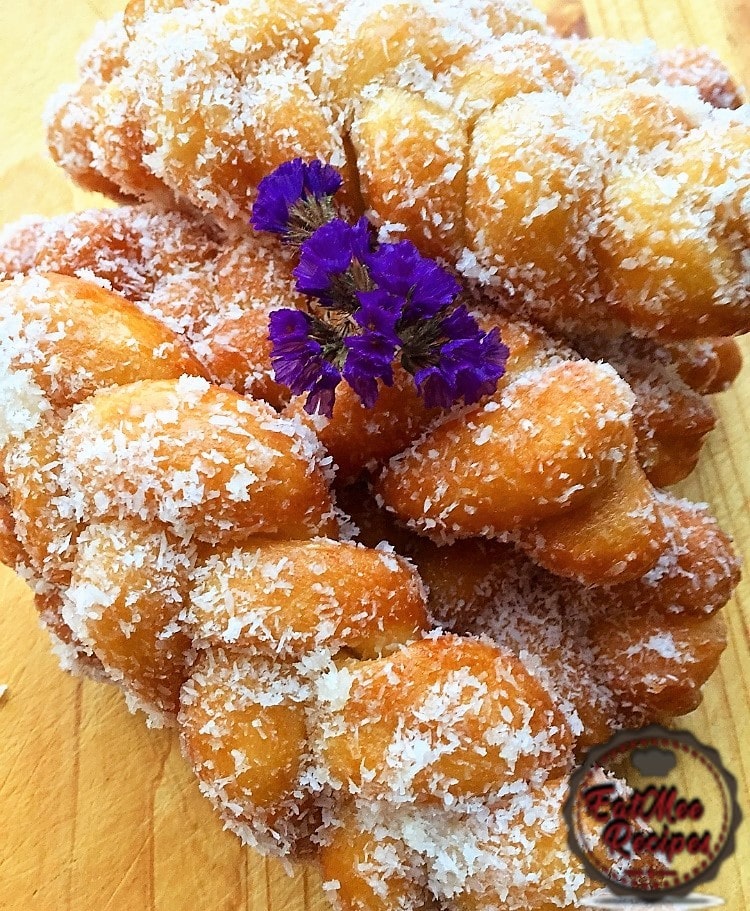
Follow along with Denisiya's step-by-step video guide for South African Koeksister.
Expert kitchen guidance and troubleshooting for making the best South African Koeksister
Store in an airtight container at room temperature for up to 1 to 2 weeks. For milk-based sweetmeats like burfee or soji, refrigerate in an airtight container for up to 7 to 10 days.
Pure butter or ghee provides the authentic rich aroma and texture characteristic of traditional Indian sweetmeats and bakes. Margarine can be used in a pinch, but butter delivers superior flavor.
Hi, I'm Denisiya! Food lover, recipe developer, and founder of EatMee Recipes. I specialize in authentic South African Durban Indian cuisine, comforting curries, and modern Instant Pot adaptations. Every recipe on this site is tested in my personal kitchen to ensure you get mouth-watering, foolproof results every time.
Explore more authentic Durban curries, traditional bakes, and comforting family favourites.
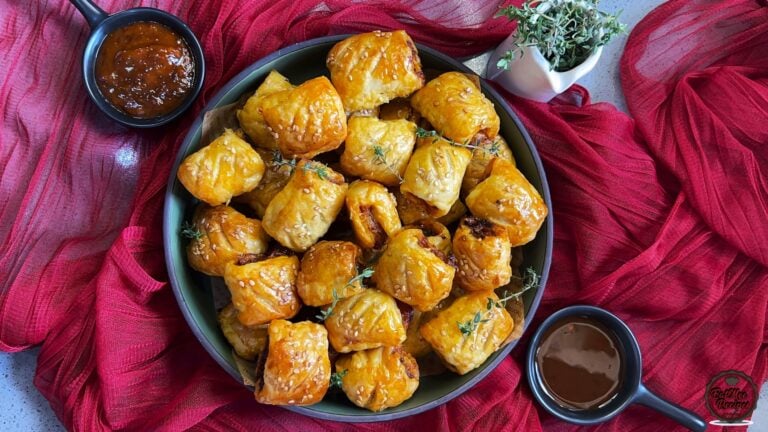 Afrikaner Cuisine
There’s something undeniably comforting about a warm, flaky sausage roll. They’re nostalgi...
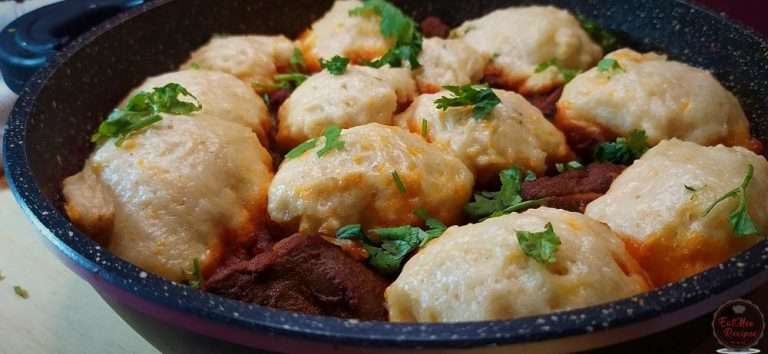 Afrikaner Cuisine
In South Africa, Dumplings (Dombolo) is known to be steamed bread which is cooked over cur...
 Afrikaner Cuisine
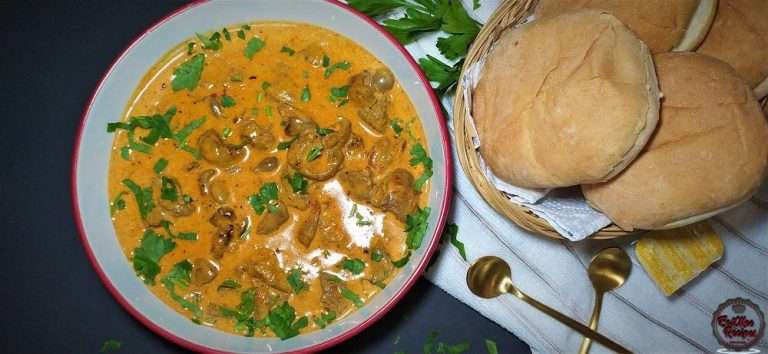
Who else goes to Nandos & orders the livers? I know I do but sometimes we just want to sta...
Have you tried this recipe or have questions for Denisiya? Join the conversation below.
No comments yet. Be the first to share your thoughts on this recipe!
Leave a Comment
Your email address will not be published. Required fields are marked *